 Carmen
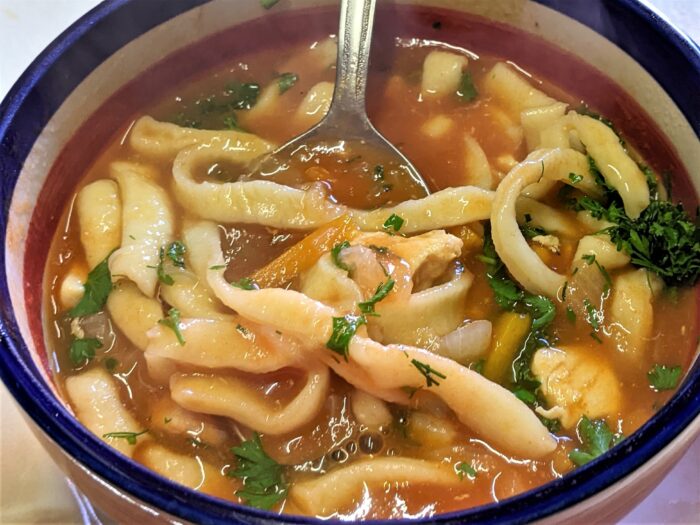
There’s nothing quite like a warm bowl of tomato soup with homemade egg noodles on a chilly evening. This recipe combines a rich, velvety tomato base with tender chicken, sweet carrots, and hand-cut noodles for a truly comforting meal. It’s simple enough for a weeknight dinner yet flavorful enough to feel like a treat. Follow along and bring this cozy classic to your own kitchen.
How to Make Simple Egg Noodles from Scratch
Homemade egg noodles require just three ingredients: eggs, flour, and a pinch of salt, yet they transform this soup entirely. Start by whisking the eggs with sifted flour and salt until a rough dough forms, then knead by hand until smooth and elastic. Letting the dough rest for 20 minutes is a crucial step, it relaxes the gluten, making the dough much easier to roll out thin without tearing. Once rested, roll the dough into a thin sheet, dust generously with flour to prevent sticking, then roll it into a loose log before slicing into thin ribbons. Unroll the strips and let them air-dry slightly on the counter while you prepare the rest of the soup; this keeps them from clumping together once added to the hot broth. The result is tender, slightly chewy noodles with a fresh, eggy flavor that pairs beautifully with the tangy tomato base.
The Secret to a Rich, Silky Tomato Base
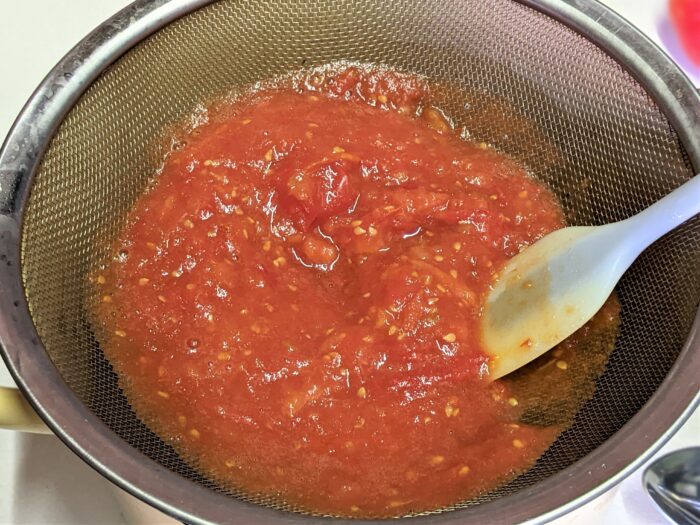
The heart of this soup is the tomato base, and the trick to a truly silky texture lies in straining. After simmering the chopped tomatoes for just five minutes to soften them, pass the mixture through a fine sieve to remove both the skins and the seeds. This extra step might seem tedious, but it’s what separates a rustic, chunky soup from one with a smooth, restaurant-quality broth. Aim for about one liter of thick tomato puree, this concentration ensures your soup has a bold tomato flavor rather than a watered-down taste. Using ripe, in-season tomatoes will give you the sweetest, most vibrant result, though canned whole tomatoes can work in a pinch when fresh ones aren’t available. This silky puree becomes the flavorful backbone that ties together the chicken, vegetables, and noodles in the final soup.
Building Flavor: Sautéing the Chicken and Vegetables
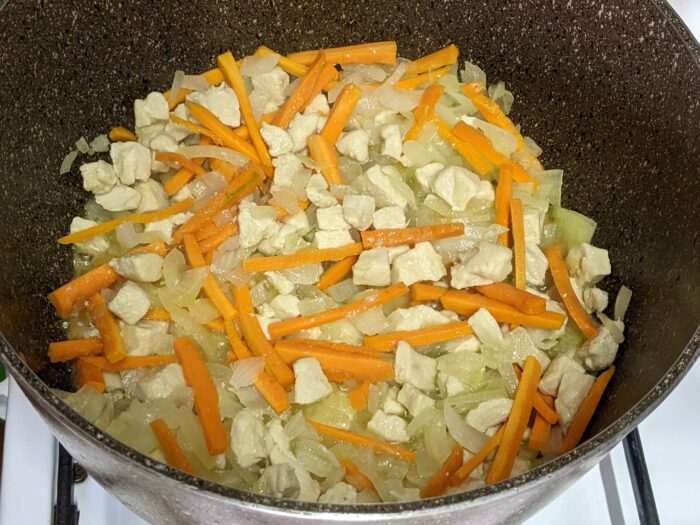
Great soup starts with properly building flavor in the pot before any liquid goes in. Searing the cubed chicken in olive oil first develops a light golden crust that adds savory depth to the entire dish. Adding the finely chopped onion next allows it to soften and turn slightly sweet, while waiting five minutes before adding the julienned carrots ensures each vegetable cooks evenly without turning mushy. This layered approach, protein first, then aromatics, then vegetables, is a classic technique used in soups worldwide to maximize flavor at every stage. Seasoning with salt, sugar, and your preferred spices at this point also helps the flavors meld before the tomato puree is introduced. A touch of sugar balances the natural acidity of the tomatoes later, so don’t skip it even if it seems unusual for a savory soup.
How to Get the Perfectly Smooth Tomato Puree
Achieving that professional, velvety tomato broth comes down to patience and the right straining technique. After the tomatoes have simmered and softened, work the mixture through a fine mesh sieve using a spoon or ladle to press out every bit of juice while leaving the fibrous skins and seeds behind. Don’t rush this step, take your time to extract as much liquid as possible for a thicker, more flavorful base. If you find the puree still has some texture, you can pass it through the sieve a second time for an even smoother finish. This method is far simpler than peeling tomatoes individually and produces a more consistent result every time. The thick, glossy puree you end up with is what gives this soup its signature comforting, velvety mouthfeel.
Combining Everything: Simmering the Soup to Perfection
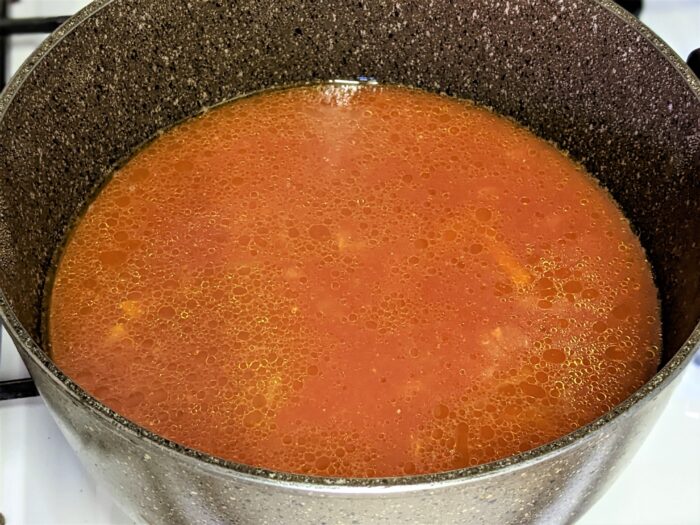
Once your chicken and vegetables are tender and your tomato puree is ready, it’s time to bring the soup together. Pour the strained tomato juice into the pot with the cooked chicken and vegetables, diluting it with a glass of water to reach your desired consistency. Let everything simmer gently so the flavors have time to combine fully before the noodles go in. Timing is key here: add the fresh noodles only once the broth is at a steady simmer, and cook for just five minutes, homemade noodles cook much faster than dried pasta and can turn mushy if left too long. Turn off the heat as soon as the noodles are tender but still have a slight bite. A final sprinkle of fresh herbs right before serving adds a burst of color and freshness that brightens the whole bowl.
Tips for Cooking and Storing Homemade Noodles
Fresh egg noodles behave differently than dried pasta, so a few tips will help you get the best results every time. Always dust the rolled dough generously with flour before slicing to prevent the strips from sticking together as they dry. If you’re not adding the noodles to the soup right away, spread them out on a floured tray rather than piling them up, this keeps them from clumping into a solid mass. Leftover noodles can be stored in the fridge for up to two days in an airtight container, though they’re best enjoyed fresh since they continue to soften over time. If you want to make a batch ahead, you can also freeze the uncooked noodles in small nests for up to a month. When reheating soup with noodles already in it, warm it gently on low heat to avoid overcooking the delicate strands further.
Serving Suggestions and Final Tips for the Best Tomato Soup
This tomato soup with homemade noodles is a complete meal on its own, but a few finishing touches can elevate it even further. A sprinkle of fresh parsley, dill, or basil right before serving adds brightness and a pop of color to the rich red broth. Serve it with a slice of crusty bread on the side for dipping, or a light side salad if you want to round out the meal. If you prefer a heartier version, feel free to add a bit more chicken or a handful of extra vegetables like celery or bell pepper. Leftovers keep well in the fridge for up to three days, though the noodles will soften slightly the longer they sit in the broth. However you serve it, this soup is proof that a handful of simple ingredients can create something truly comforting.
Ingredients
For the homemade egg noodles:
- 2 large eggs
- 5 tablespoons all-purpose flour plus extra for dusting
- pinch of fine sea salt
For the tomato soup:
- 3 lb ripe tomatoes chopped
- 1 large onion finely chopped
- 2 medium carrots cut into thin matchsticks
- ¾ cup water plus more as needed
- 7 oz chicken breast or chicken tenderloin cut into small cubes
- 2 tablespoons extra-virgin olive oil
- 1 teaspoon granulated sugar
- fine sea salt to taste
- freshly ground black pepper to taste
- 1 teaspoon mixed dried herbs (such as thyme, oregano, or Italian seasoning)
For serving:
- a small handful of fresh herbs (parsley, dill, or basil)
Instructions
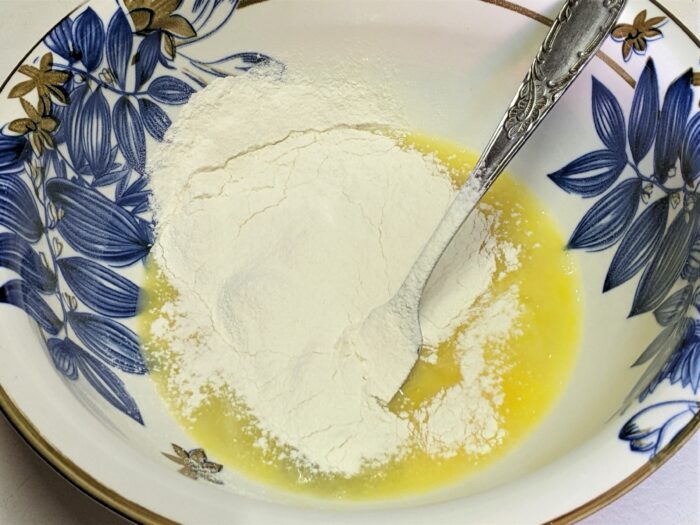
- To make the homemade noodles, crack the two eggs into a bowl, add the five tablespoons of sifted flour, then sprinkle in a pinch of salt.

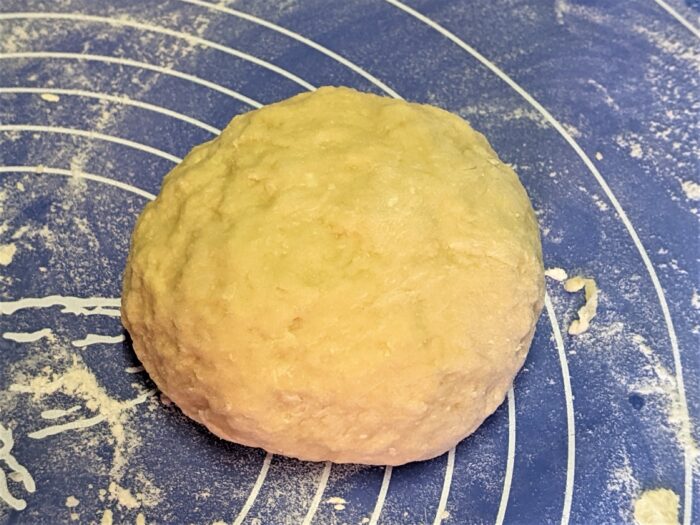
- Stir the mixture with a fork at first, then knead it by hand until you get a smooth, elastic dough, and let it rest for about 20 minutes.
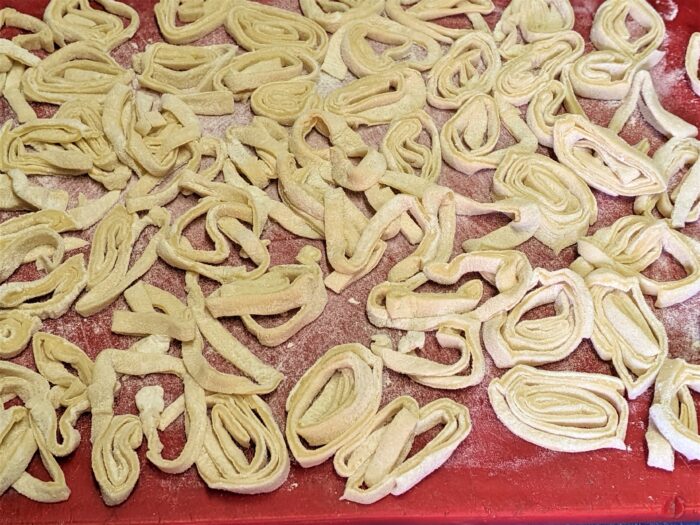
- Roll the dough out into a thin sheet, dust it generously with flour, then roll it up into a loose log. Sprinkle more flour to prevent sticking, slice the roll into thin strips, and set the noodles aside to dry slightly.
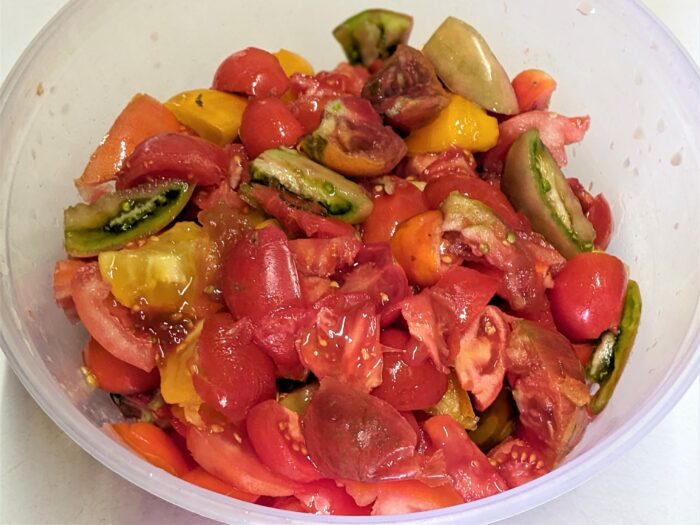
- Chop the tomatoes, place them in a pot, and simmer them gently for about 5 minutes.
- Strain the tomatoes through a fine sieve to remove the skins and seeds, pressing well until you obtain a thick, smooth tomato puree (about 4 cups).
- Cut the chicken fillet into small cubes and sauté them in the olive oil. Add the finely chopped onion, cook for 5 minutes, then stir in the carrot matchsticks.
- Season with salt, sugar, and herbs, then cover and cook over very low heat until the chicken is tender, adding a splash of water if needed. Once the meat and vegetables are soft, pour in the tomato puree and thin it with about ¾ cup water.
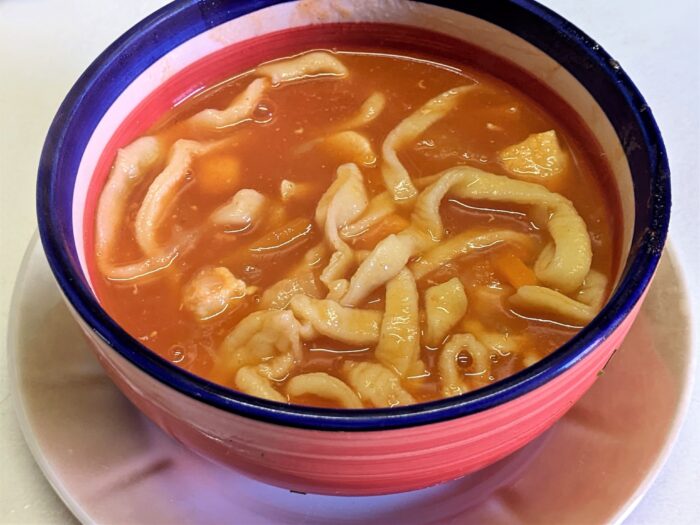
- Bring the soup to a gentle boil, add the homemade noodles, and cook for about 5 minutes, then turn off the heat.
- Finish the soup with a generous handful of fresh chopped herbs on top. Serve warm and enjoy!
Notes
- Use the ripest tomatoes you can find for the sweetest, most flavorful soup base.
- Resting the noodle dough makes it easier to roll thin and slice evenly.
- Straining the tomatoes removes skins and seeds, giving the soup a smooth, velvety texture.
- A small amount of sugar helps balance the natural acidity of tomatoes without making the soup sweet.
- Add the fresh herbs at the end to keep their color and aroma bright.
- If the soup thickens too much when stored, stir in a little water while reheating to reach the desired consistency.
Nutrition
Nutrition information is automatically calculated, so should only be used as an approximation.