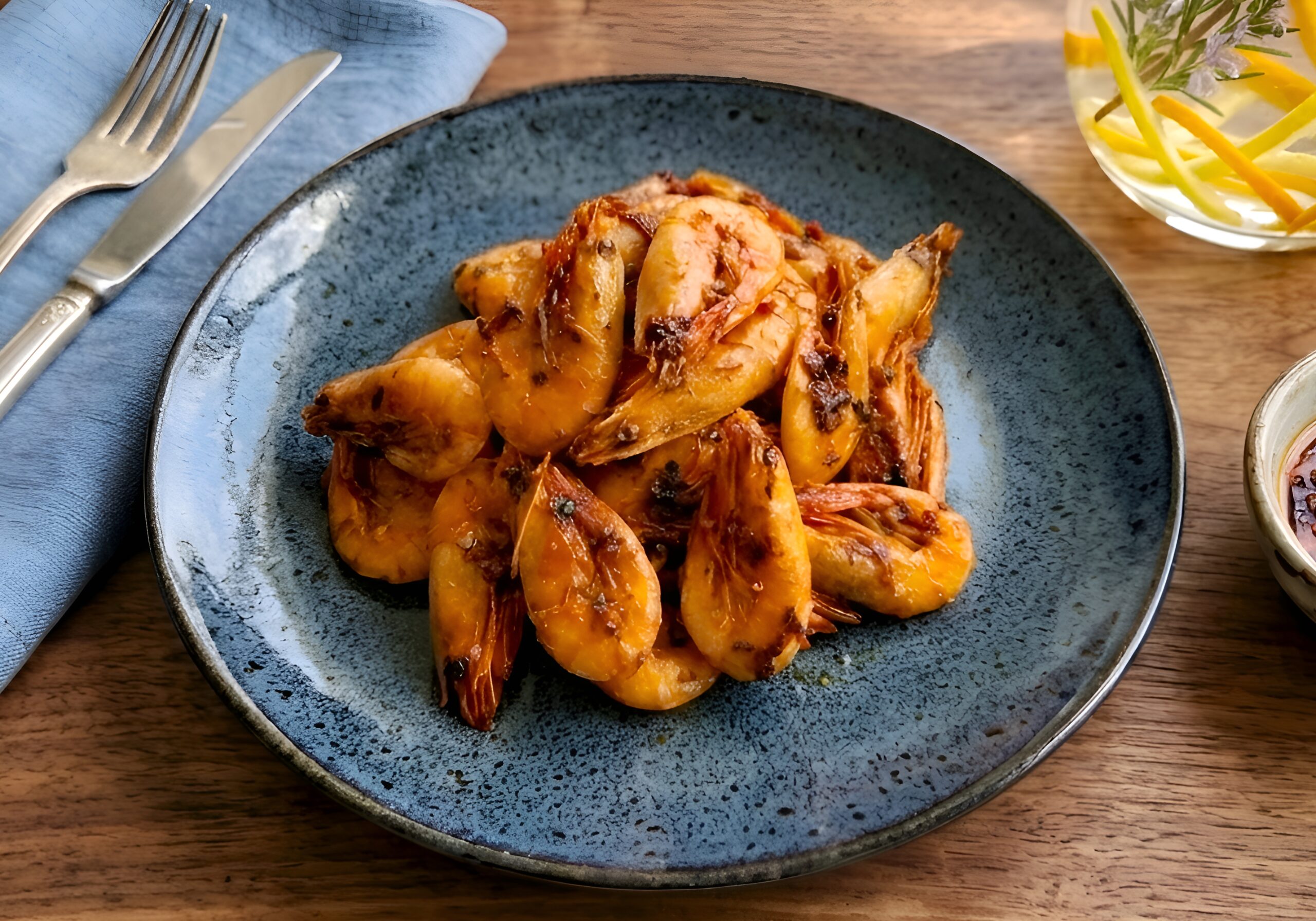
If you are craving something quick, elegant and full of flavor, this garlic soy pan-fried shrimp will become a favorite in your kitchen. Frozen shrimp are transformed in just a few minutes with butter, soy sauce, fresh garlic and a splash of lemon. The result is juicy, tender seafood with a rich umami taste and a slightly tangy finish. Serve it as an appetizer, a light main dish, or alongside rice and salad for an easy dinner for two.
How to prepare the shrimp so they fry evenly
Proper preparation of the shrimp makes a big difference in both texture and flavor. If you use frozen shrimp, let them thaw slowly in the refrigerator or place them briefly in a bowl of cold water, then drain well. Once thawed, pat the shrimp dry with paper towels to remove any excess moisture, because water in the pan can prevent them from browning and can dilute the sauce. If your shrimp still have shells or tails, you can leave the tails on for a more elegant look or remove them for easier eating, depending on how you plan to serve the dish. Make sure the shrimp are roughly the same size so they cook at the same speed and do not overcook or stay raw in the center. Season them lightly with salt or your preferred spices before they go into the pan, or simply leave most of the seasoning for the sauce. Taking a couple of extra minutes for this preparation step ensures that the shrimp cook quickly and evenly, stay juicy inside and develop a nice, appetizing color on the outside.
How long should we cook the shrimp on each side
Cooking time is crucial when working with shrimp, because they can go from perfectly tender to rubbery very quickly. In this recipe, the shrimp are first fried for about three minutes on each side over medium heat, which is usually enough for them to turn pink and opaque. You will notice that they change color from gray to a gentle pink and start to curl into a loose “C” shape; this is a sign they are close to done. If they are very large, you might need an extra minute, but always keep an eye on them rather than relying only on the clock. After the initial searing, the shrimp continue to cook briefly once you add the garlic, soy sauce and lemon juice, so you do not want them fully cooked before the sauce goes in. The additional cooking time in the sauce helps them absorb flavors without drying out. By respecting these short time frames and watching their color and texture, you can consistently get juicy shrimp with a pleasant bite, instead of tough, overcooked seafood.
Tips for avoiding overcooked or rubbery shrimp
One of the most common issues when cooking shrimp is overcooking them until they become tough and rubbery, but a few simple habits can help you prevent that. First, make sure the skillet is properly heated before you add the butter and shrimp; starting in a cold pan can cause them to release more liquid and simmer rather than sear. Second, avoid crowding the pan; if the shrimp overlap, they steam and take longer to cook, which often leads to a chewy texture. Cook them in a single layer and, if necessary, in two batches. Third, do not walk away from the stove, because shrimp cook very quickly; pay attention to their color and shape, and flip them as soon as the underside turns pink and starts to brown lightly. Finally, remember that they will continue to cook for a short time after you add the sauce and even after you remove the pan from the heat. Taking them off the heat as soon as they are just done or slightly underdone ensures that they stay juicy and tender when served.
Storage and reheating: can we enjoy leftovers
Although shrimp dishes are always at their best freshly cooked, you can safely store leftovers and enjoy them later with a few precautions. Allow the cooked shrimp to cool to room temperature, then transfer them, along with any remaining sauce, to an airtight container. Store the container in the refrigerator and plan to eat the leftovers within one to two days for the best texture and flavor. When reheating, it is important not to overcook the shrimp again, so avoid using very high heat or heating them for too long. A gentle reheat in a skillet over low heat with a splash of water, broth or extra butter can help revive the sauce and keep the shrimp from drying out. You can also quickly warm them in the microwave at medium power in short intervals, stirring in between. Leftover garlic soy shrimp work nicely as a topping for rice bowls, salads or even tucked into a warm tortilla for a quick seafood wrap. While texture will never be exactly the same as freshly made, careful reheating keeps them enjoyable and prevents unnecessary food waste.
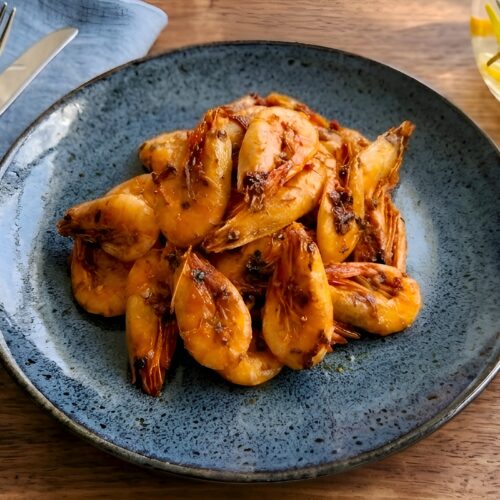
Garlic Soy Pan-Fried Shrimp
Ingredients
- 10.5 oz frozen shrimp thawed and patted dry
- 2 tablespoons unsalted butter
- 1 tablespoon freshly squeezed lemon juice
- 2 tablespoons soy sauce
- salt to taste
- seasonings of your choice (black pepper, chili flakes, paprika or your favorite seafood seasoning)
Instructions
- Heat the butter in a large skillet over medium heat, then arrange the shrimp in a single layer and pan-fry them for about 3 minutes on each side, until they start to turn pink and lightly golden.
- Add the pressed garlic, lemon juice, soy sauce, salt and your preferred seasonings, then continue cooking for another 10 minutes, stirring occasionally so the shrimp are evenly coated in the sauce.
- The shrimp are ready. Can you already smell that incredible aroma? This is truly “food of the gods” – an appetizer that will impress even the pickiest seafood lovers. Serve immediately and enjoy!
Frequently Asked Questions
Shrimp cook very quickly—usually just 1-2 minutes per side. They’re done when they turn pink and opaque throughout, and form a C-shape. If they curl into a tight O-shape, they’re overcooked. The internal temperature should reach 120°F (49°C).
Absolutely! This garlic-soy sauce works beautifully with chicken breast strips, scallops, or even firm white fish like cod or halibut. Just adjust the cooking time accordingly—chicken will need about 4-5 minutes per side, while scallops need about 2 minutes per side.