 Carmen
Smetannik Cake is one of those classic Eastern European recipes that deserves a permanent spot in every home baker’s repertoire. The name comes from “smetana,” the Russian and Eastern European word for sour cream, and sour cream is truly the star of this recipe — both in the dough and in the luscious whipped cream filling. What makes this cake special is the technique: each baked layer is brushed with warm milk right after baking, which keeps the crumb soft and helps the layers absorb the cream beautifully overnight. The result is a silky, melt-in-your-mouth cake with a rich chocolate top that is as impressive as it is delicious.
How to Make the Dough Layers: Tips for Rolling Them Thin and Even
The dough for Smetannik Cake is a soft, pliable sour cream dough that rests for 30 minutes before rolling. This rest is essential — it relaxes the gluten, making the dough much easier to roll out without it springing back. Divide the dough into 6 equal balls and roll each one out as thin as possible on a lightly floured surface. Use a large round dinner plate or pot lid as a cutting guide to trim each layer into a perfect circle. Don’t discard the trimmings! Stack them together, knead briefly, and roll out one final layer — this gives you a 7th layer from the scraps. The thinner you roll each piece, the more tender the final cake will be. Bake at 390°F (200°C) for just 7–8 minutes per layer, watching closely to prevent overbrowning.
The Secret to a Thick, Fluffy Sour Cream Frosting
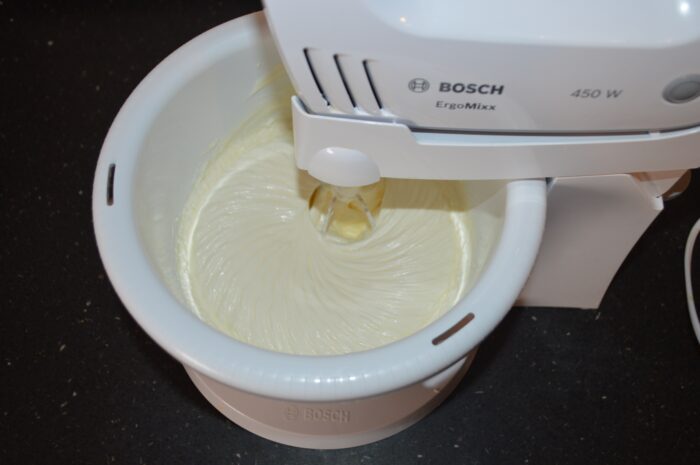
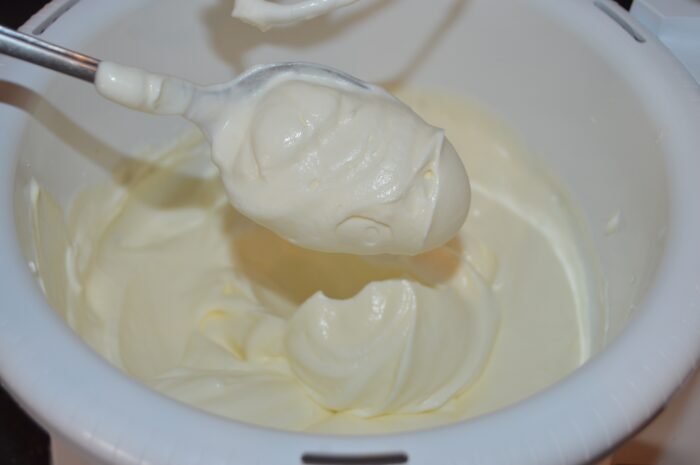
The frosting is the heart of a Smetannik Cake, and achieving the right consistency is everything. The secret is twofold: fat content and draining. Start with the highest-fat sour cream available. Then, for the best results, place the sour cream in a cheesecloth-lined colander set over a bowl, cover, and refrigerate for at least 4–5 hours — or better yet, overnight. This drains off the watery whey, concentrating the fat and thickening the texture dramatically. Once drained, beat the sour cream with granulated sugar using a hand mixer: one minute on low to incorporate the sugar, then 8–10 minutes on the highest speed until the cream is thick, voluminous, and holds its shape. The result is a frosting that layers beautifully and keeps the cake from becoming soggy as it chills overnight.
How to Assemble the Layers Correctly for the Best Result
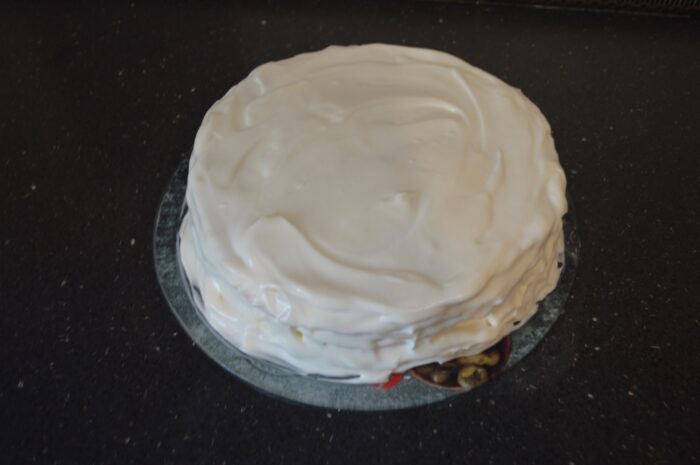
Start assembly by spreading a small spoonful of frosting on your serving plate or cake stand — this acts like glue and keeps the first layer from sliding. Place your first baked and milk-brushed layer on top, then spread a generous, even layer of frosting all the way to the edges. Repeat with each remaining layer: brush with milk, then cover with frosting. Use all 7 layers and make sure to spread frosting on the very top layer as well, as this is what holds the chocolate glaze and keeps it from sliding off. Do not press the layers down too firmly — let them sit naturally so the frosting has space between them. After the final layer and glaze are on, do not cut into the cake yet. The assembly is only half the process; the refrigerator does the rest of the work.
Making the Chocolate Glaze: Simple, Glossy, and Perfect
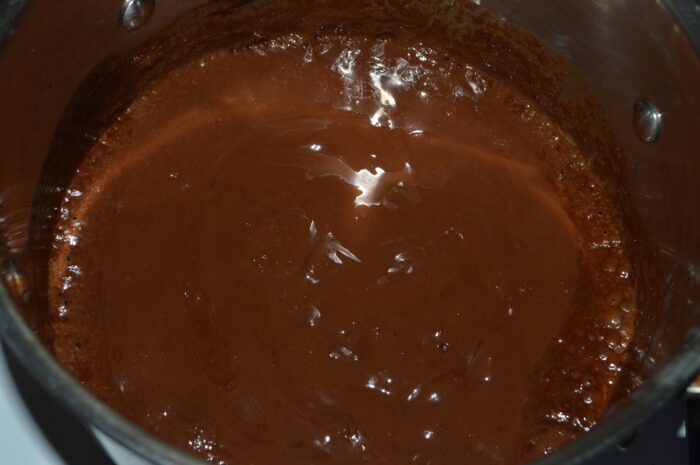
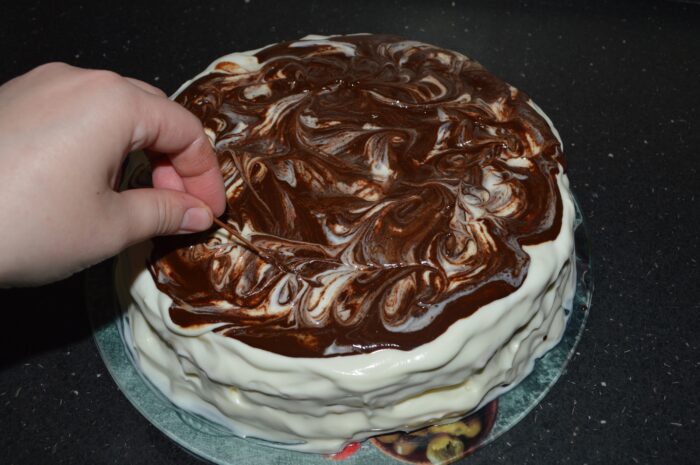
The chocolate glaze for Smetannik Cake is one of the simplest glazes you will ever make, and it delivers a professional-looking finish every time. Melt butter in a small saucepan over low heat, then add dark chocolate that has been broken into small pieces — the smaller the pieces, the faster and more evenly they melt. Stir gently and continuously until the glaze is completely smooth and glossy. Pour it over the top of the assembled cake while it is still warm and fluid, and quickly spread it to the edges with the back of a spoon. If you like, use a wooden toothpick or skewer to drag decorative swirls through the glaze before it sets. Work quickly, as the glaze starts to firm up as it cools. You can also drizzle a little extra glaze down the sides for a dramatic, bakery-style finish.
Final Tips for the Best Smetannik Cake Every Time
A few key tips will take your Smetannik Cake from good to absolutely perfect. First, always rest the dough — skipping the 30-minute rest makes it harder to roll and can cause the layers to shrink in the oven. Second, keep your oven temperature accurate: too hot and the layers brown too fast; too cool and they turn dry. An oven thermometer is a worthwhile investment. Third, do not rush the frosting — the longer you beat the sour cream, the thicker and more stable it becomes. Fourth, drain your sour cream ahead of time if possible; even just 4 hours makes a noticeable difference in texture. Fifth, use good-quality dark chocolate for the glaze — it should contain at least 60% cacao for a rich, balanced flavor that complements the tangy cream. And sixth: give the cake the full overnight rest. It is absolutely worth the wait.
Ingredients
For the cake layers:
- ¾ cup sour cream 20% fat
- 2 teaspoons baking powder
- 2 large eggs
- 1 cup granulated sugar
- 3½ tablespoons unsalted butter melted
- 2 tablespoons neutral oil
- 4 cups all‑purpose flour plus extra for dusting
For the sour cream filling:
- 4 cups full‑fat sour cream 25% fat
- 1 cup granulated sugar
For brushing the layers:
- warm milk
For the chocolate glaze:
- 3 tablespoons unsalted butter
- 3.5 oz dark chocolate bar roughly chopped
Instructions
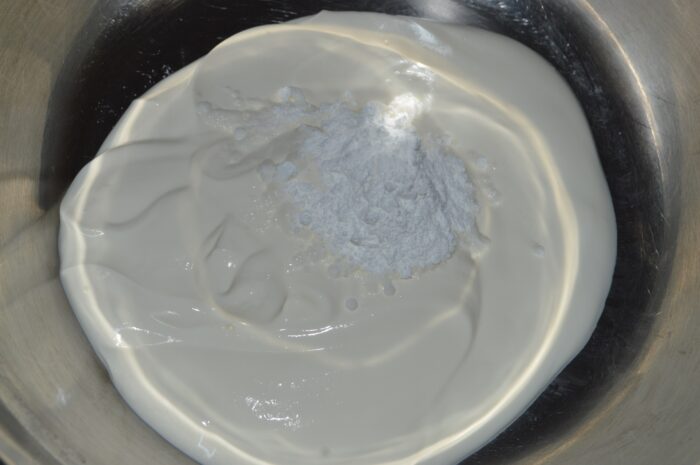
- Put the 3⁄4 cup sour cream and baking powder into a mixing bowl.

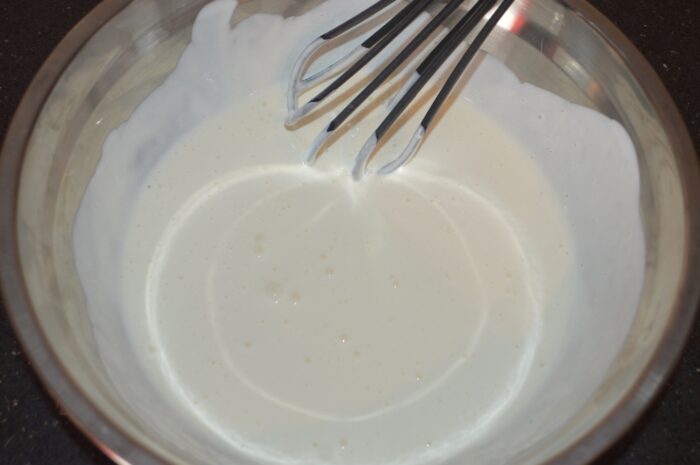
- Whisk well until you see air bubbles forming; this means the baking powder is reacting with the sour cream.
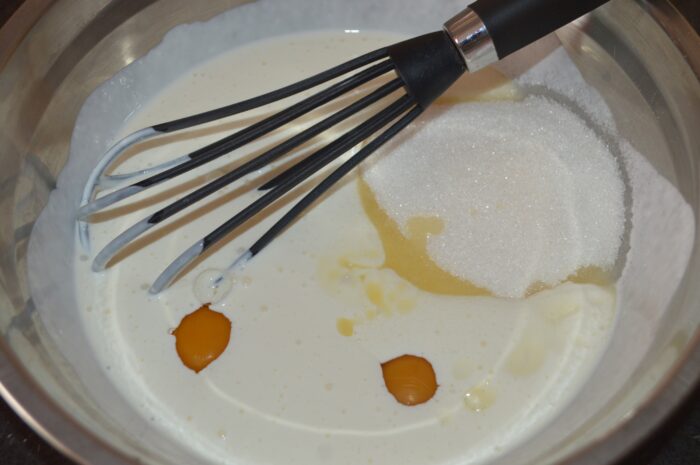
- Add the eggs, sugar, oil, and melted butter to the bowl.
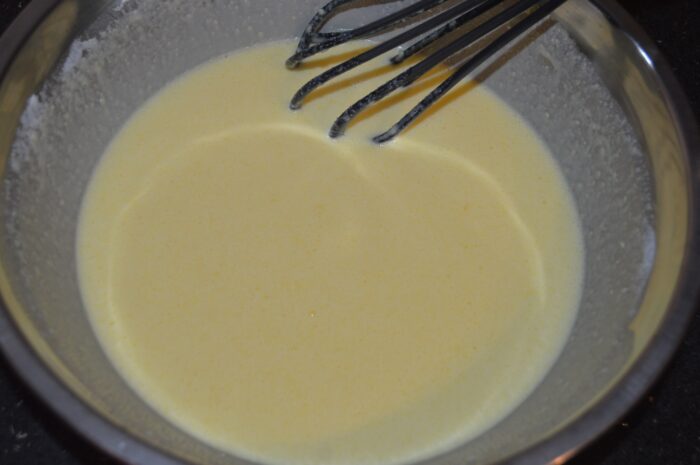
- Mix everything thoroughly until the mixture is smooth and well combined.
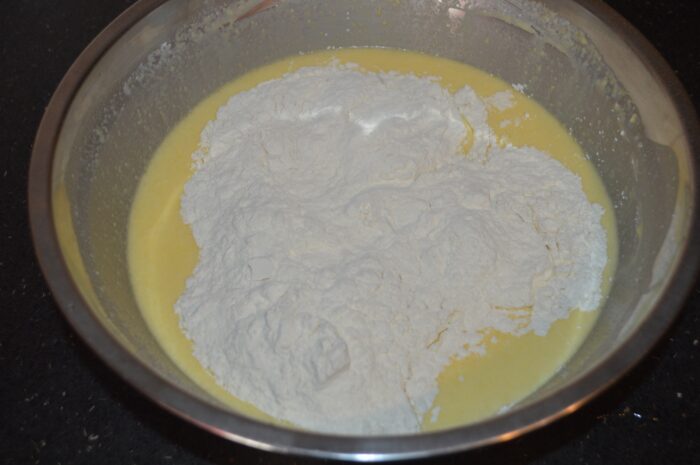
- Add the flour to the wet ingredients.
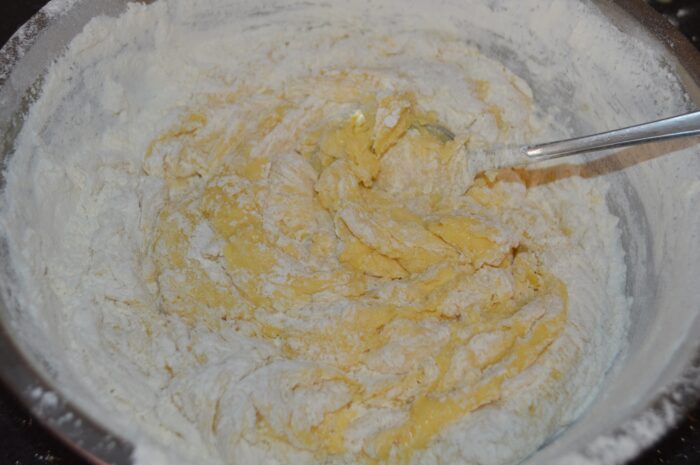
- Start mixing with a spoon, then switch to your hands and knead until a soft dough forms.
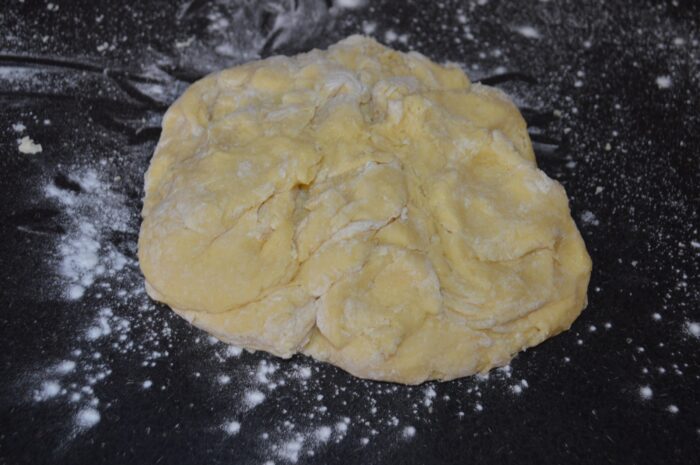
- Lightly flour your work surface and place the dough on it.
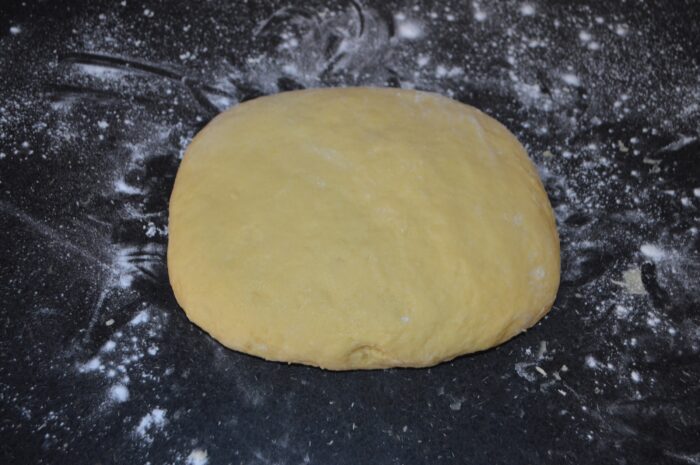
- Knead briefly just until the dough is smooth, then cover it with a kitchen towel and let it rest for 30 minutes.
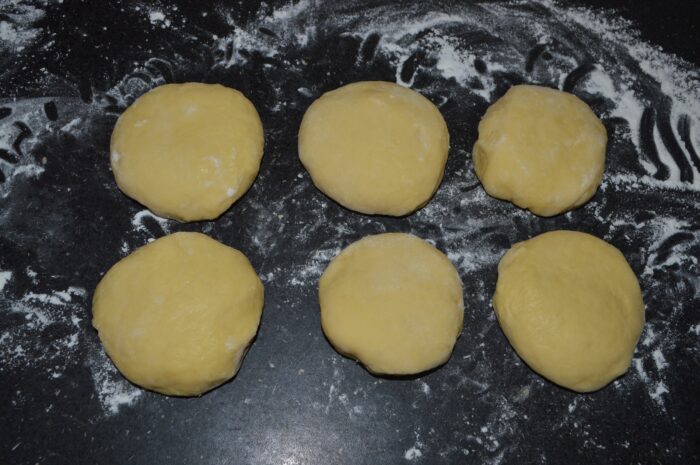
- After resting, divide the dough into 6 equal pieces and shape each one into a ball.
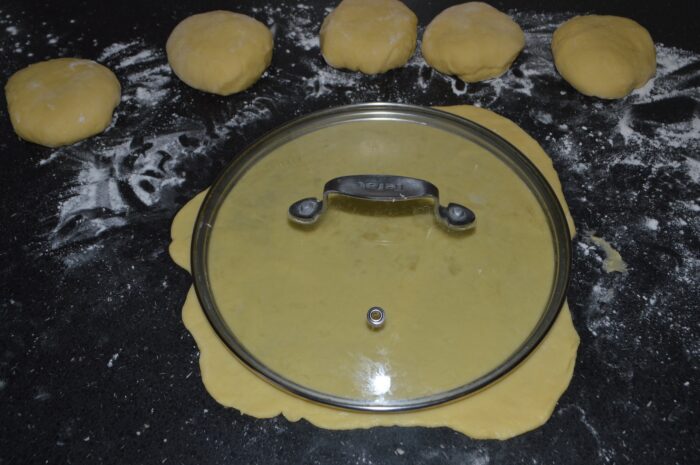
- Roll each ball out with a rolling pin, dusting with a little flour underneath so it doesn’t stick, and use a large round lid or plate to trim into an even circle.
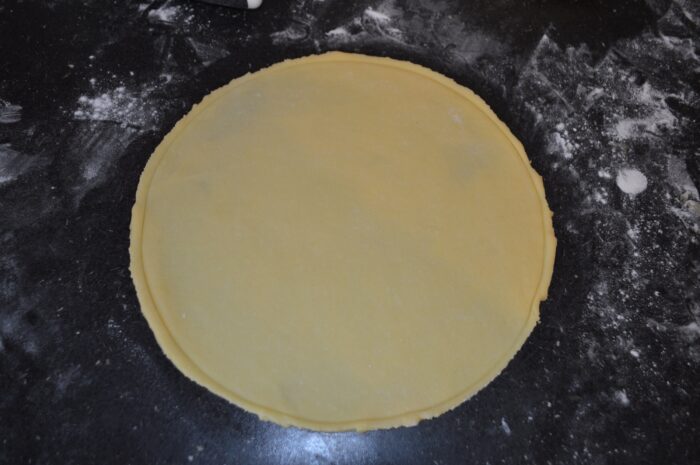
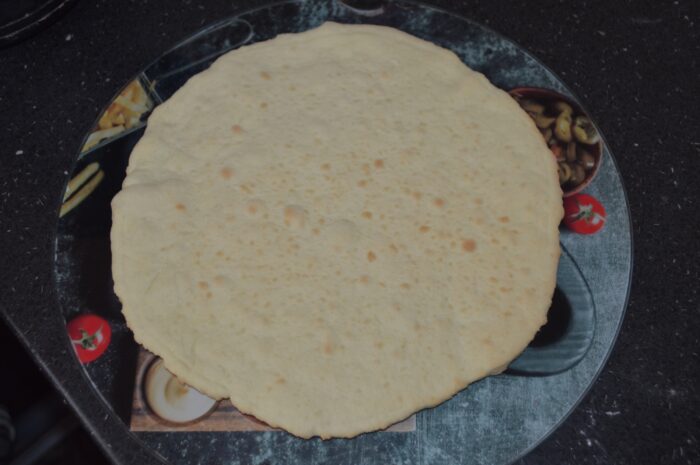
- You should get a circle like this; bake each one in a preheated 400°F (200°C) oven for 7–8 minutes. Do this with every dough ball: you start with 6, but after trimming the edges you will have enough scraps to roll one more circle, for a total of 7 layers.
- Keep an eye on the layers so they don’t burn, as every oven bakes differently.
- Meanwhile, prepare the cream: using a mixer, beat the full‑fat sour cream and sugar together, starting on low speed for 1 minute, then on high speed for 8–10 minutes.
- To make the cream thicker, place the sour cream in a cheesecloth‑lined strainer and let it drain for 4–5 hours or, even better, overnight so the whey drips out. This gives you a rich, thick cream for the filling.
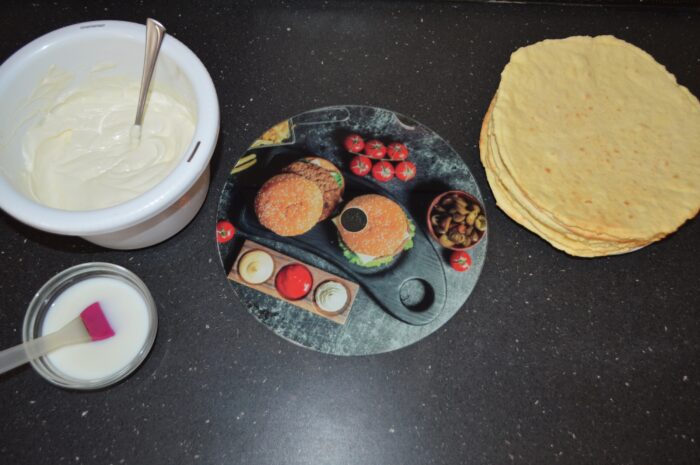
- Set up your work surface for assembling the cake.
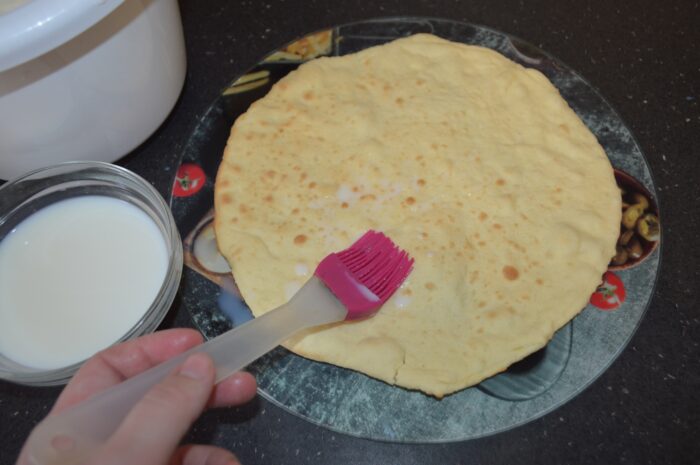
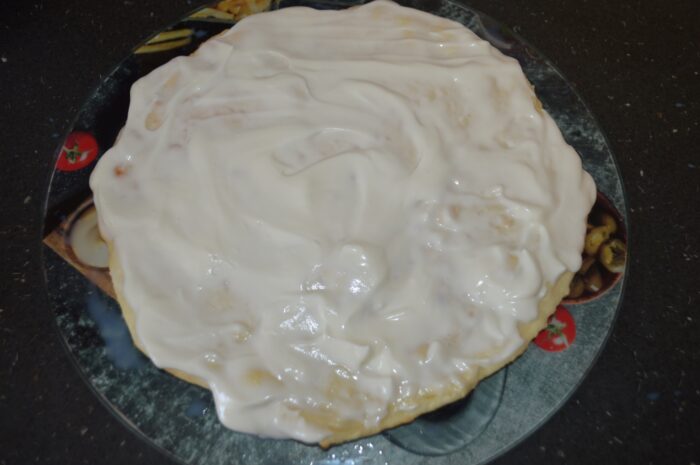
- Spread a little cream on your serving plate, then place the first cake layer on top. Brush each layer with warm milk.
- Spread a generous layer of sour cream filling over the cake layer.
- Repeat this process with all 7 cake layers.
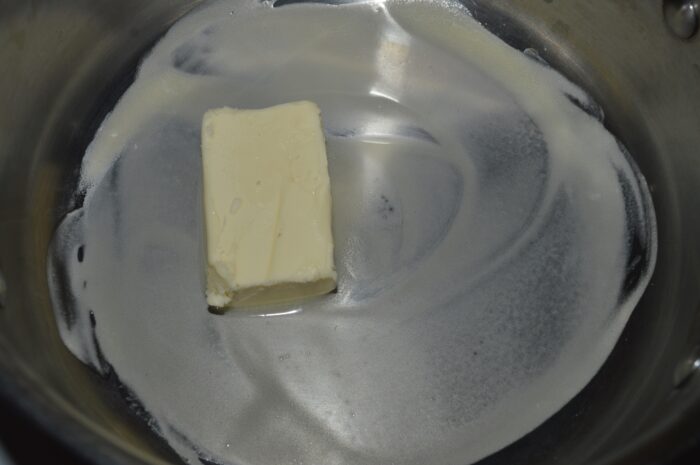
- In a small saucepan, melt the butter.
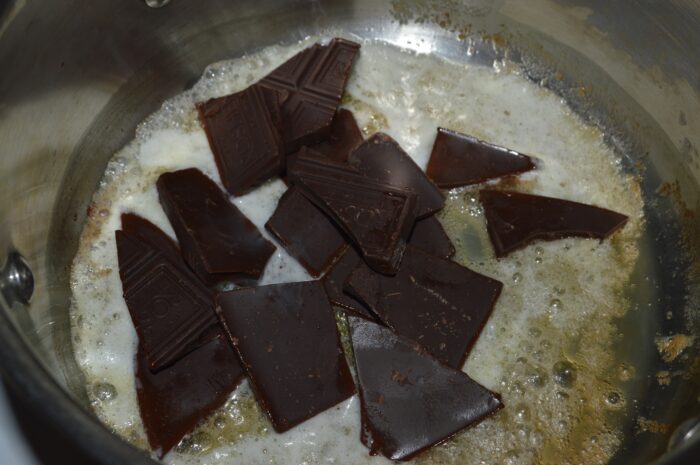
- Break the dark chocolate into small pieces so it melts faster, and add it to the melted butter.
- Stir until the chocolate glaze is smooth and glossy.
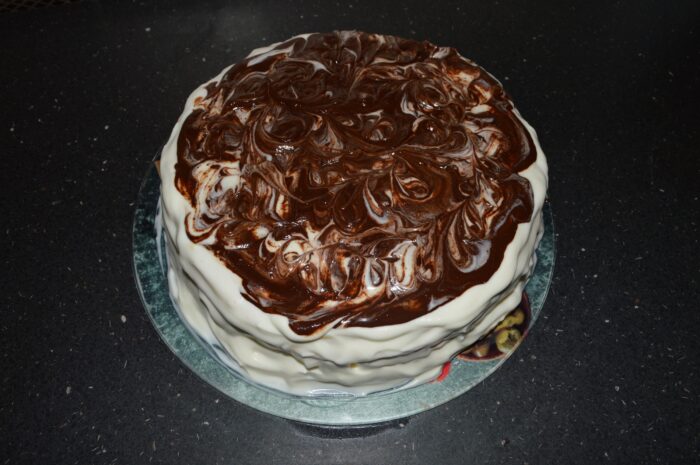
- Pour the glaze over the top of the cake and smooth it out with the back of a spoon. Then, using a wooden skewer, draw small circles or any pattern you like to decorate the top.
- Refrigerate the cake for 5–6 hours, or ideally overnight, so the layers can soften and the flavors meld together.
Notes
- For best results, use high‑fat sour cream and plan time to drain it in advance.
- Keep the dough soft; add just enough flour so it does not stick but still rolls easily.
- Brush each baked layer with warm milk so the cake becomes tender as it chills.
- Allow the assembled cake to rest overnight for the ideal melt‑in‑the‑mouth texture.
- A good quality dark chocolate bar will give the glaze a deep, clean flavor.
- You can decorate the sides with cake crumbs or chopped nuts for a classic bakery look.
Nutrition
Nutrition information is automatically calculated, so should only be used as an approximation.