 Carmen
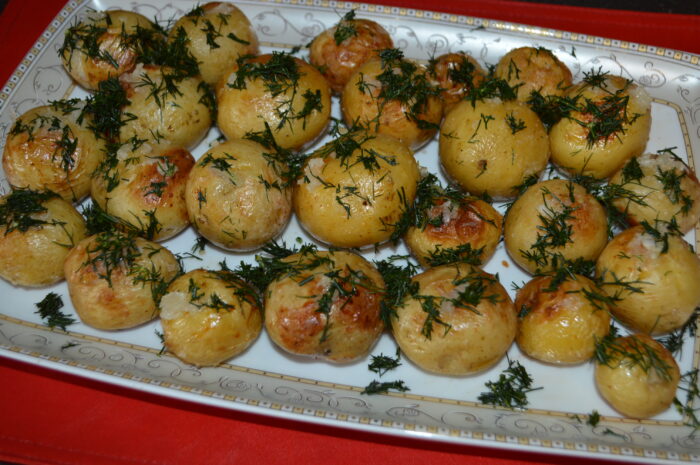
New potatoes roasted in the oven, finished with fresh dill and a generous drizzle of garlicky mujdei, are one of the simplest and most comforting Romanian side dishes. Soft on the inside and lightly crisp on the outside, these potatoes are ready in less than an hour and go perfectly with grilled meat, roast chicken or baked fish.
How to prepare the tray and bake the new potatoes
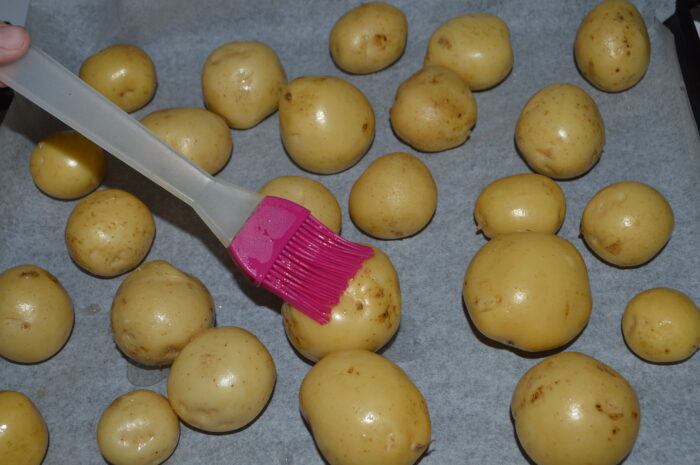
Preparing the tray correctly is key to getting roasted new potatoes that are evenly cooked and easy to serve. Line a large baking tray with parchment paper; this prevents sticking and makes cleanup much faster. Place the scrubbed, skin‑on new potatoes on the tray in a single layer so hot air can circulate around each potato. Brush or drizzle them generously with the oil and salt mixture, making sure every potato is coated on all sides. Bake the potatoes in a preheated oven at 180°C / 355°F for 35–40 minutes, until they are tender when pierced with a knife and lightly browned on the outside. Avoid overcrowding the tray, as this can cause steaming instead of roasting.
Why you should leave the skins on new potatoes
Leaving the skins on the new potatoes gives this dish more flavour and texture, and also saves prep time. New potato skins are thin and delicate, so they soften nicely in the oven while adding a pleasant bite. The skins also help the potatoes keep their shape and prevent them from becoming too dry. Washing the potatoes thoroughly is important, but you do not need to peel them. Keeping the skins on also preserves more nutrients, as many vitamins and minerals sit close to the surface. In addition, roasted potatoes with skins take on a rustic look, which fits perfectly with the simple, homely style of this Romanian side dish.
Serving suggestions for roasted new potatoes with dill and garlic
These roasted new potatoes with dill and garlic mujdei are designed as a garnish, so they pair beautifully with many main dishes. Serve them alongside grilled chicken, roast pork or baked fish for a full meal that feels both simple and satisfying. The strong garlic notes in the mujdei make the potatoes an excellent companion to rich meats, cutting through the fat and adding freshness. You can also plate them with a crisp green salad or steamed vegetables when you want a lighter dinner. For casual meals, they work well on a shared platter that everyone can help themselves from. Because the recipe uses common ingredients, it fits everyday cooking but still looks inviting on the table.
Ingredients
- 2.2 lb new potatoes scrubbed and left whole
- 3 tablespoons vegetable oil
- 1 teaspoon fine salt
- 1 small bunch fresh dill finely chopped
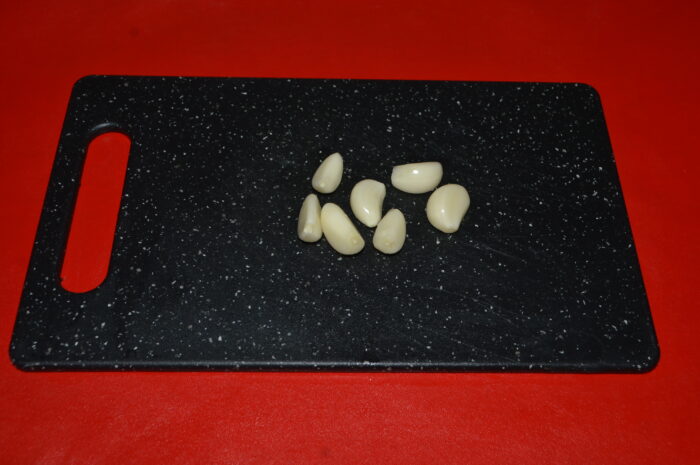
- 7 cloves garlic peeled
Instructions
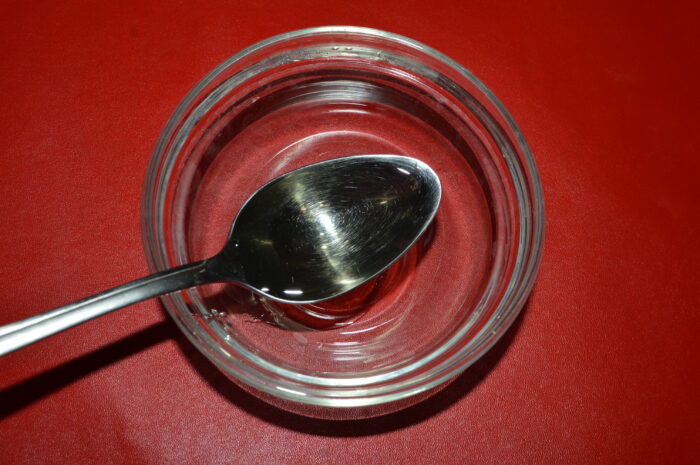
- Pour 3 tablespoons of oil into a small bowl.

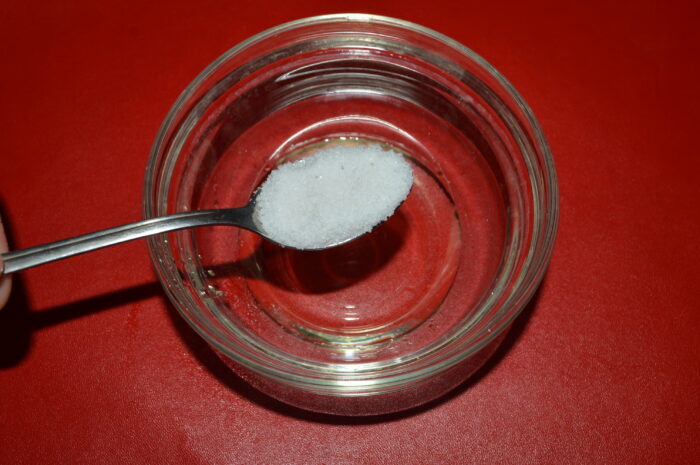
- Add 1 teaspoon of salt to the oil and whisk or stir to combine.
- Line a large baking tray with parchment paper, add the scrubbed whole new potatoes with their skins on, then brush them all over with the oil and salt mixture on both sides. Bake in a preheated oven at 350°F (180°C) for 35–40 minutes, until golden and tender inside.
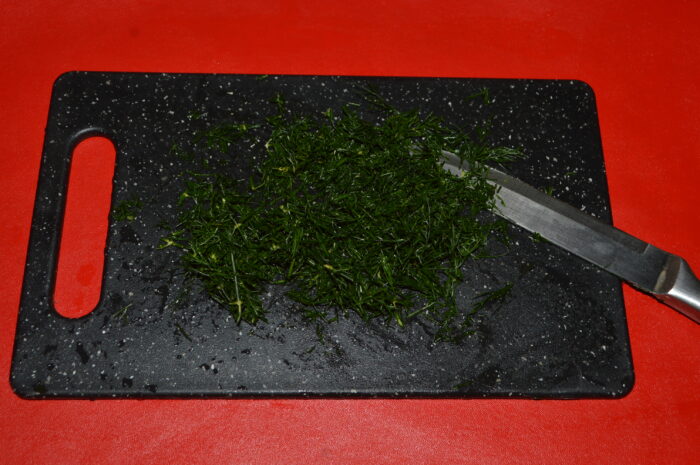
- Meanwhile, finely chop the fresh dill.
- Peel the garlic cloves.
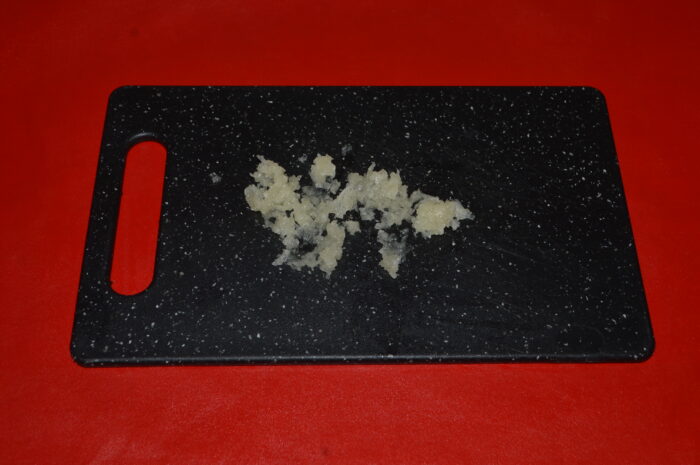
- Turn the garlic into a simple garlic sauce by crushing it into a paste and mixing it with a little salt and water (and a drizzle of oil if you like), until creamy and pourable.
- Once the potatoes are roasted, drizzle or brush them with the garlic sauce and sprinkle generously with the chopped dill, then serve immediately while hot.
Notes
- Use potatoes that are similar in size so they roast evenly and are all tender at the same time.
- Do not skip scrubbing the skins well; the potatoes are baked with the skin on for extra flavor and texture.
- Fine salt mixes more evenly into the oil, helping every potato get properly seasoned.
- Adjust the amount of garlic in the sauce to your taste if you prefer a softer or stronger flavor.
- Add the fresh dill at the end so its color stays bright and the aroma remains fresh and vibrant.
- Serve the potatoes hot for the best texture, but leftovers can be gently reheated in the oven the next day.
Nutrition
Nutrition information is automatically calculated, so should only be used as an approximation.