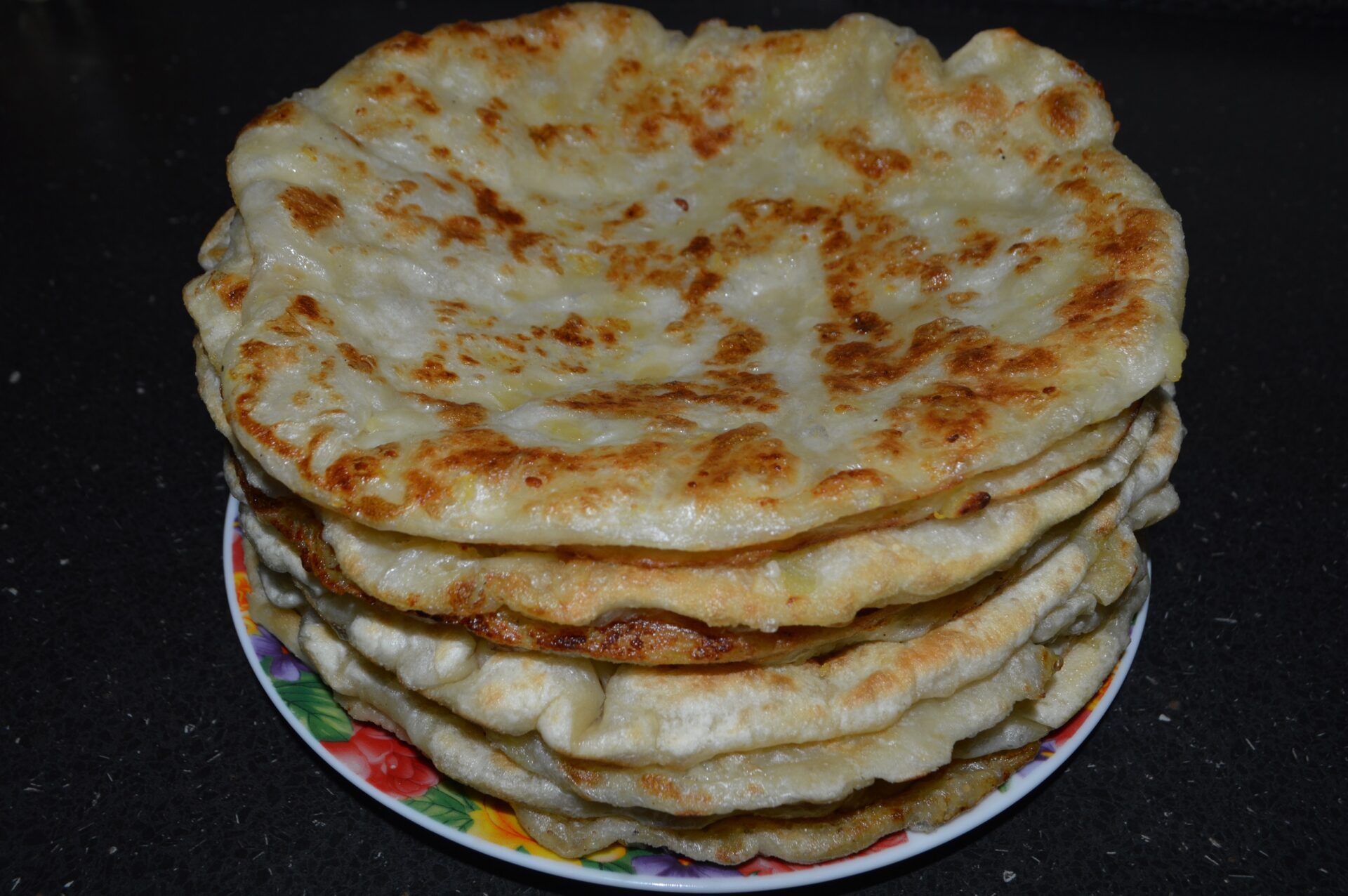
Skillet potato pies are soft, filling and made without yeast, so there is no long rise. The dough is folded in layers with a little oil, and the potato and onion filling is seasoned simply with salt and pepper.
I make these when I want a hearty, meat free bite that is also good for fasting days. The dough should stay slightly sticky, which is what keeps the pies tender after frying.
Ingredients
Dough
- 8 cups all purpose flour
- 1 tsp salt
- ½ tsp baking soda
- 2¾ cups warm water
Filling
- 3 lb potatoes
- 1 onion
- a pinch of salt
- ground black pepper
- sunflower oil
Instructions
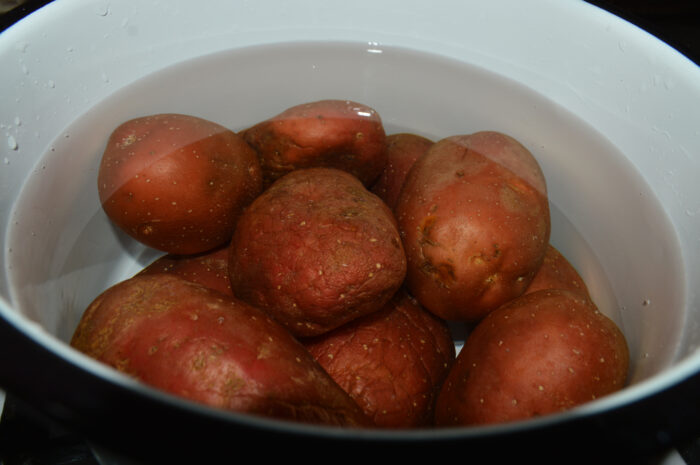
- Boil the potatoes until tender.

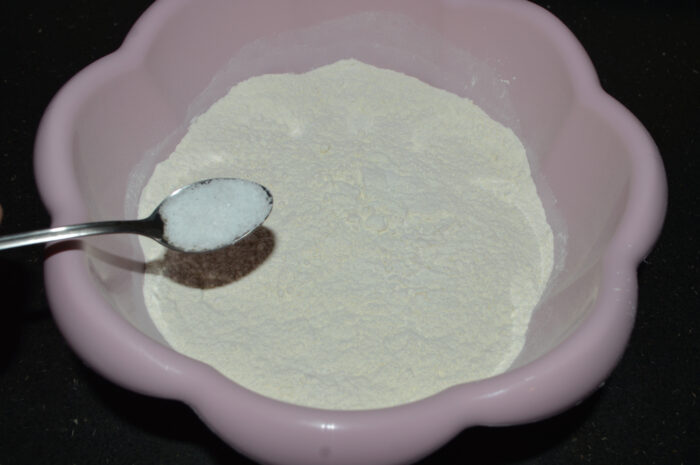
- Put the flour in a bowl and add the salt.
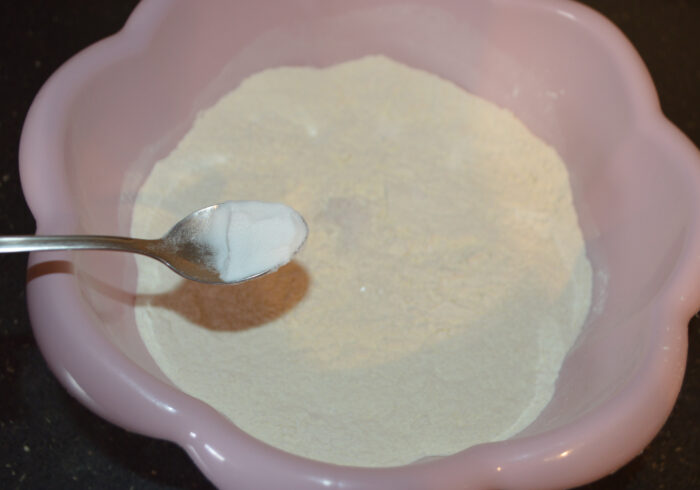
- Add the baking soda.

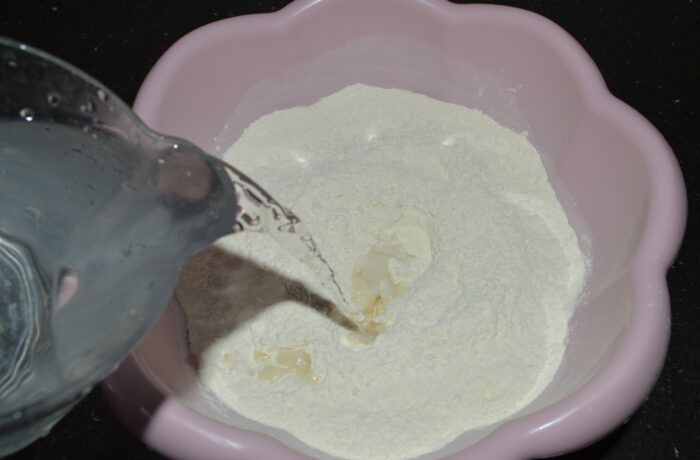
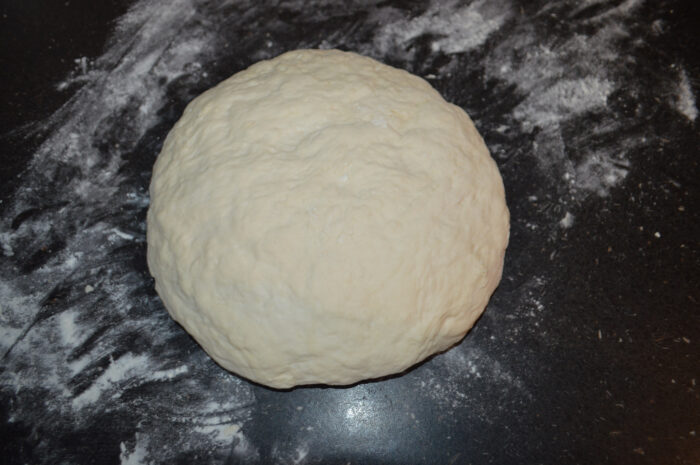
- Add the warm water and knead the dough.

- The dough should be slightly sticky. Let it rest for 10 minutes.
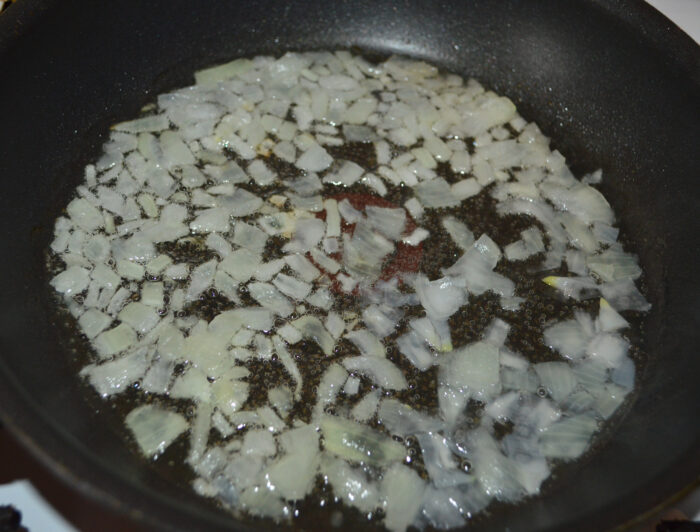
- Fry the chopped onion in oil over low heat.

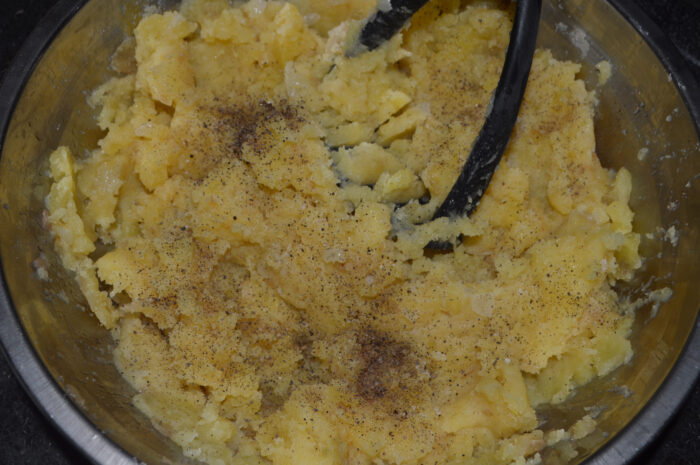
- Mash the potatoes with a ricer and add the fried onion, salt and pepper.
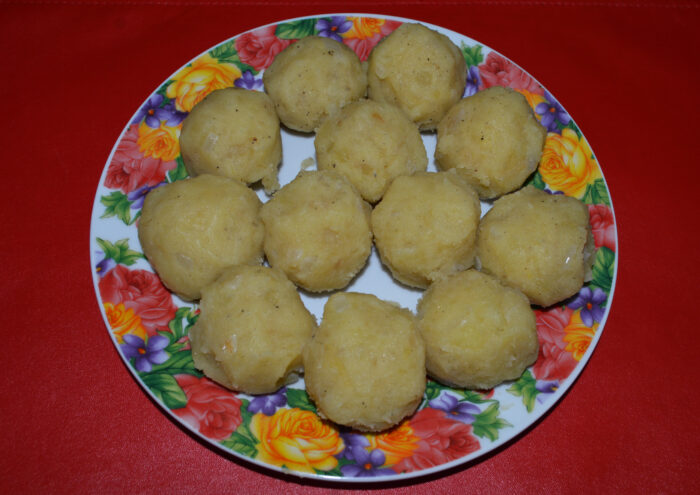
- Form 12 balls from the potato filling.

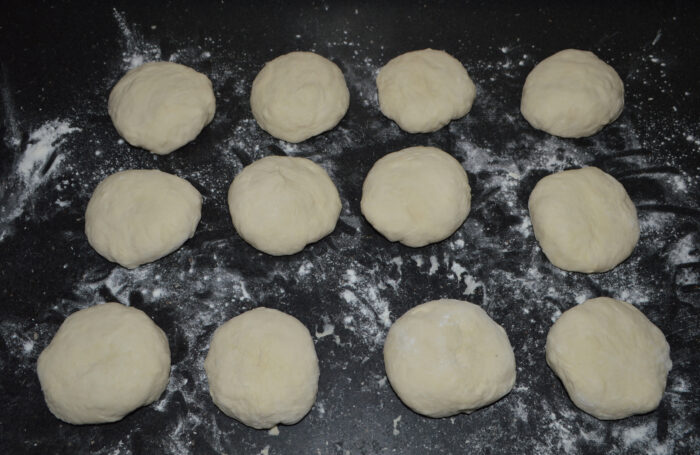
- Divide the dough into 12 balls and let them rest for 10 minutes.

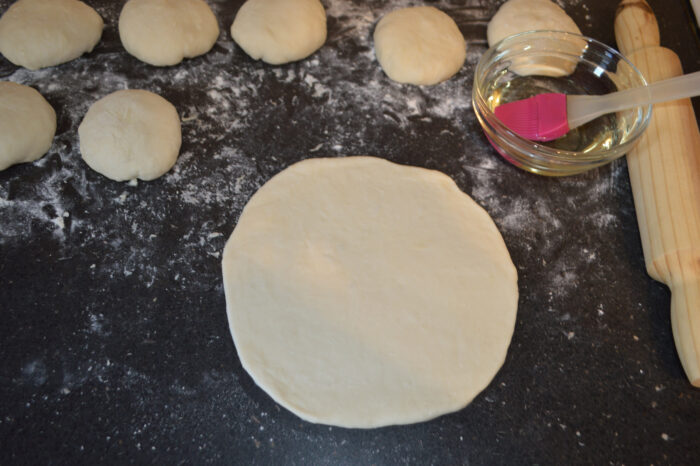
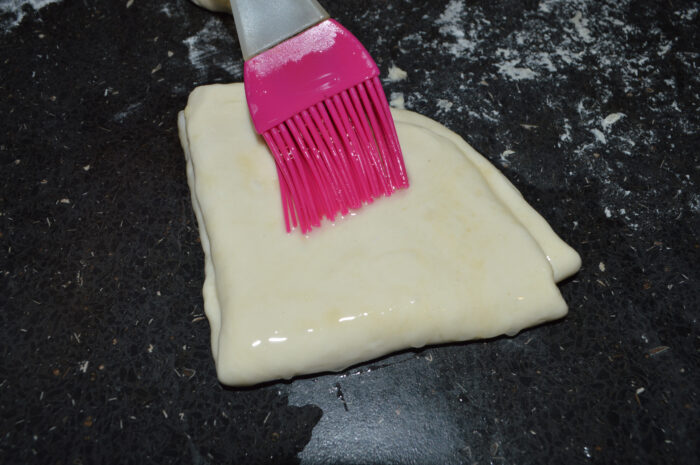
- Roll out a dough ball and brush it with oil.

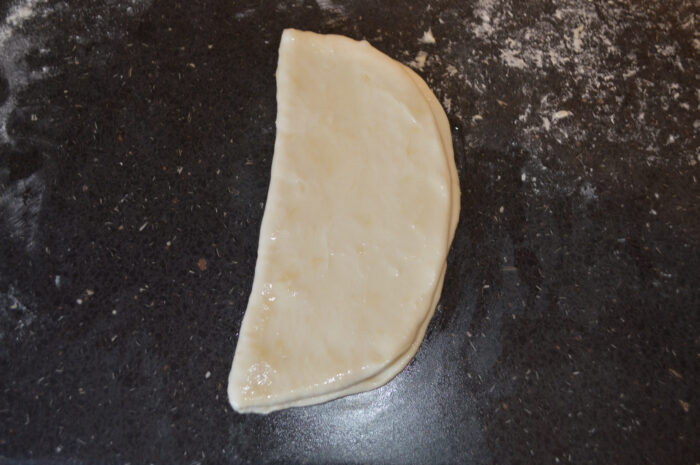
- Fold it in half and brush it with oil.
- Fold it again into a triangle and brush it with oil.
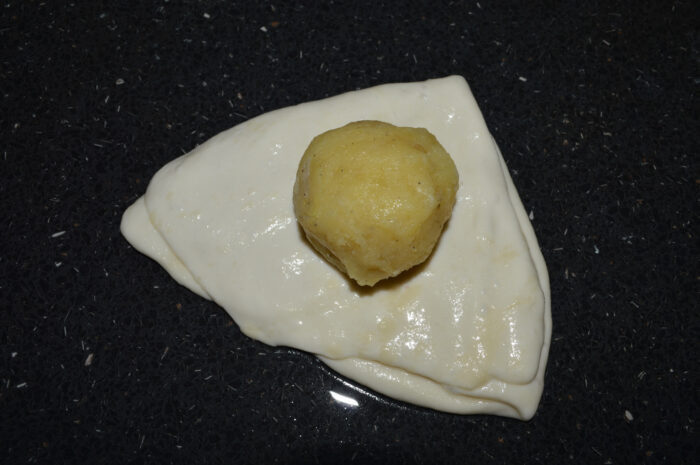
- Flatten the triangle and place a potato ball in the middle.
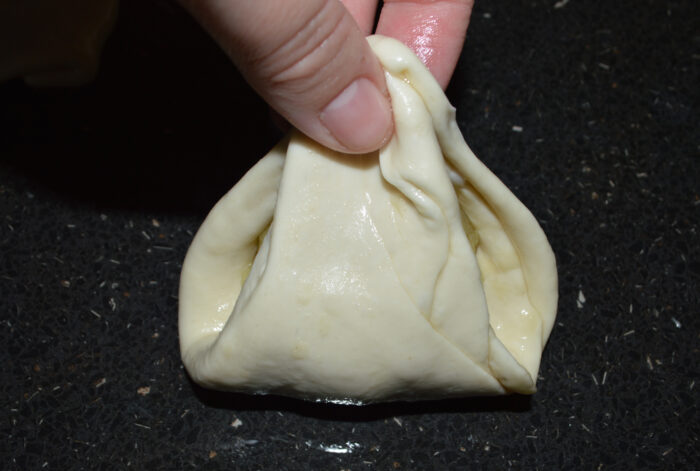
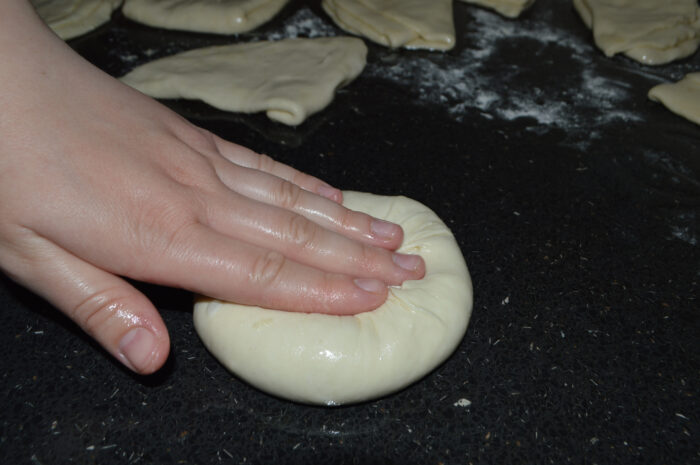
- Gather the edges of the dough over the filling.

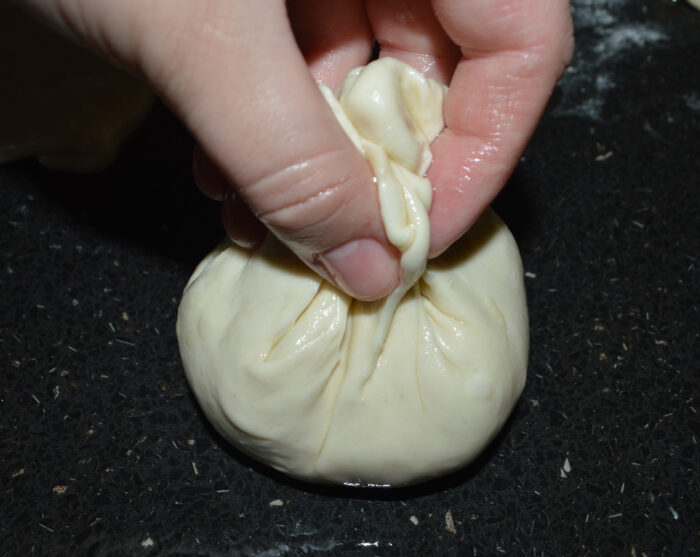
- Form a pouch.

- Press it closed.
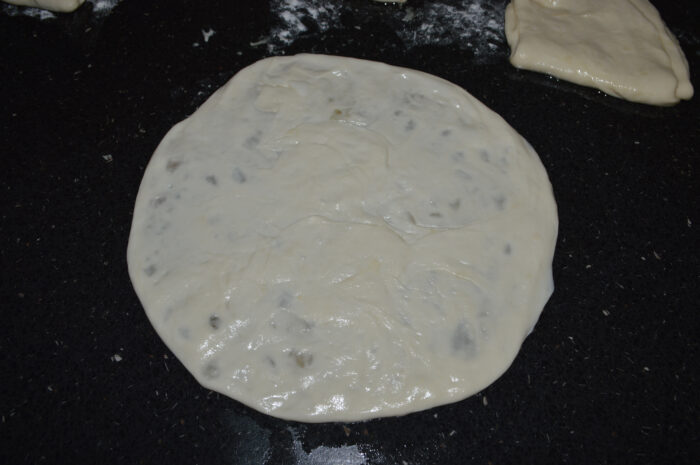
- Flatten the pie to about 9½ in (24 cm).
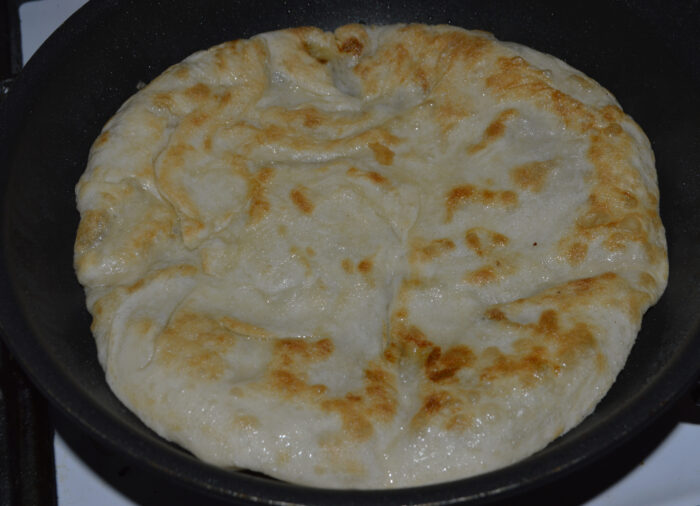
- Fry the pies in hot oil over medium heat until golden on both sides.

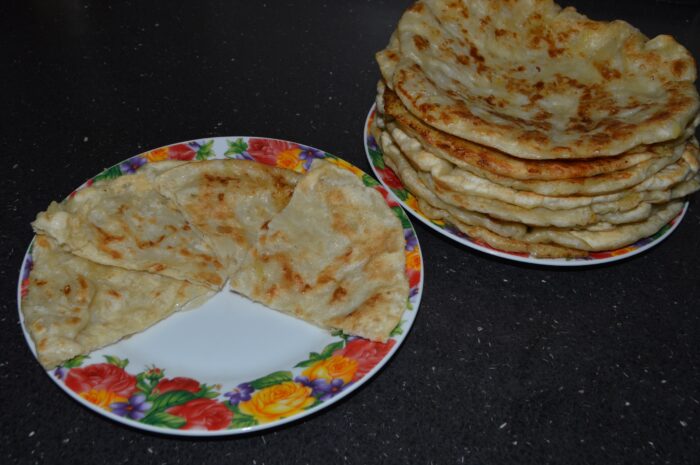
- The pies are ready. Serve them hot.
Notes
- The dough should stay slightly sticky, so do not add too much flour.
- Mash the potatoes smooth with a ricer so lumps do not tear the dough.
- Do not flatten the pies wider than about 9½ in (24 cm).
- The pies contain no eggs or dairy, so they suit fasting days.
Nutrition
Nutrition information is automatically calculated, so should only be used as an approximation.
Why does this dough work without yeast?
Baking soda and a short rest do the work, so the dough is ready to roll after about 10 minutes. The result is soft and slightly chewy rather than bread like. Knead it with warm water until it is smooth and just slightly sticky. A dough that is too dry cracks when you fold it, while a dough that is too wet is hard to shape. Dust your hands lightly with flour if it clings.Why does the filling need fried onion and a ricer?
Onion fried over low heat adds sweetness, and a potato ricer gives a smooth, lump free mash. Lumps would poke through the thin dough and tear it. Let the potatoes steam dry for a minute after draining. Wet potatoes make a loose filling that leaks from the seams during frying.How do you fold the dough in layers?
Roll the dough thin, brush it with oil, fold it in half and oil it again, then fold it into a triangle. The oil between the layers makes the pies flaky and soft. Flatten the triangle slightly before placing the potato ball in the middle. Gather the edges up and press them into a pouch so the filling stays sealed inside.Why do potato pies split while frying, and how do you prevent it?
Splitting usually comes from a soft filling, dough rolled too thin or seams that were not pressed firmly. The filling expands as it heats and looks for a way out. Avoid flattening a pie wider than about 9½ in (24 cm), since the dough stretches too thin. Fry over medium heat so the dough cooks through before it darkens.How do you serve and store these pies?
Serve them hot from the pan, or enjoy them warm with a salad or pickles. They stay soft for a day when covered, and reheat nicely in a dry skillet. If you like pan fried pies, try my pan fried pies with a different filling. For a cheese version, my pan fried cheese and dill pies with yeast dough is a good next step.Frequently asked questions
Yes. The dough and filling contain no eggs or dairy, and they are fried in sunflower oil.
The filling may be too soft, the dough too thin or the seams not pressed well. Do not roll a pie out beyond about 9½ in (24 cm).
Yes. Ground meat or cheese works well, though this recipe uses only potato and onion.