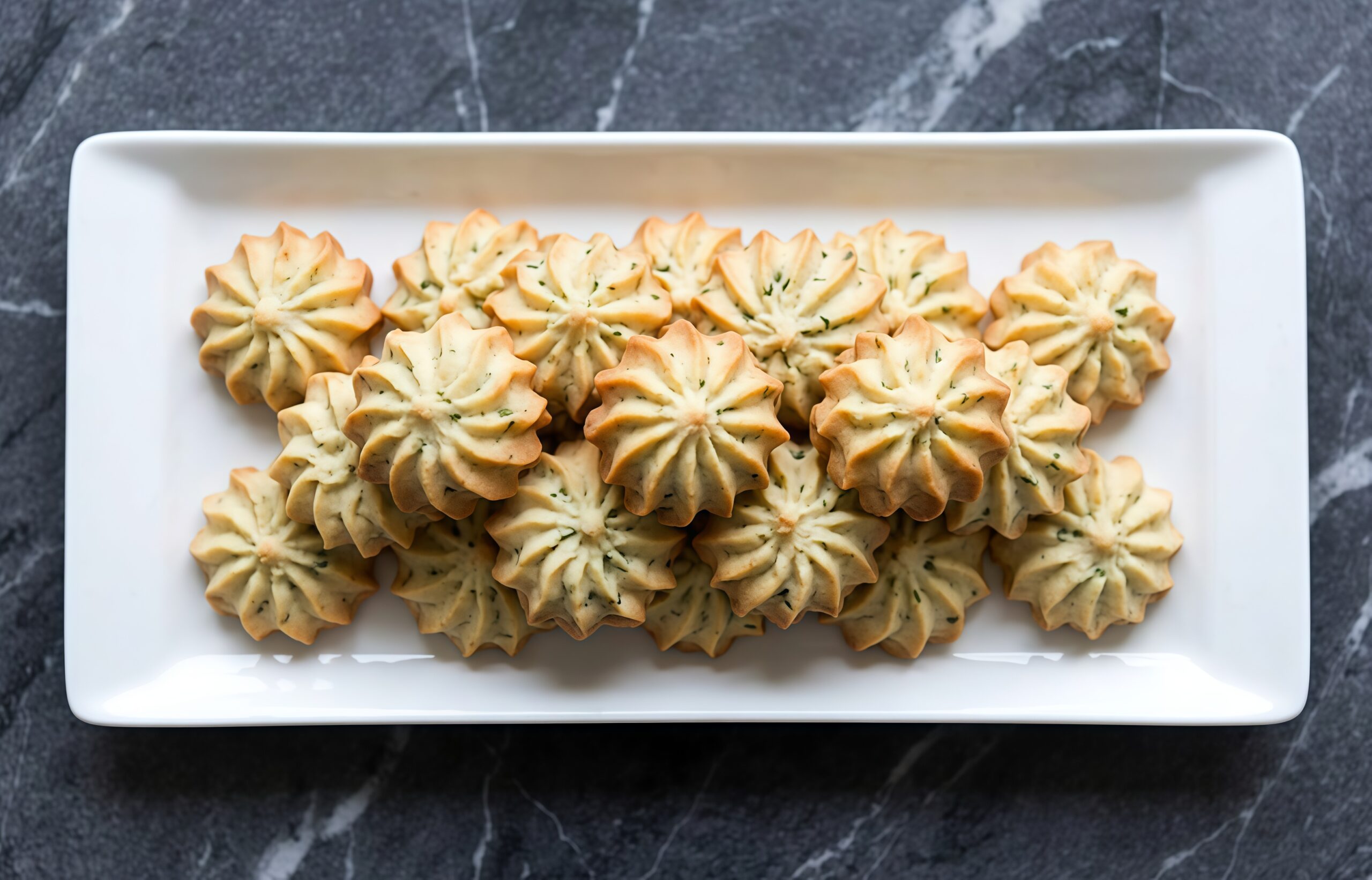
These salted green onion biscuits are the kind of recipe you make once and then keep on repeat. They come together from a few basic ingredients you probably already have in the pantry: flour, egg, oil and a handful of fresh green onions. The batter is ready in minutes, and the biscuits bake quickly in the oven until they turn lightly golden and crisp. Serve them as a savory snack, appetizer or alongside a soup or salad.
How to Beat the Egg and Sugar for a Light, Crisp Texture
The first step of the recipe, beating the egg with sugar and lemon juice, is crucial for the texture of these biscuits. When you work the mixture with a hand mixer at high speed for three to four minutes, you incorporate plenty of air into the egg. The color becomes noticeably paler and the consistency turns thick and ribbon‑like. This airy base behaves a bit like a simple sponge batter: the small bubbles expand in the oven heat and give the biscuits a light, crunchy bite instead of making them dense. It is important to use a clean, dry bowl so the egg whips properly and does not slide along oily walls. Do not rush this step; if you stop too early and the mixture is still thin and yellow, the structure of the biscuits will be less crisp. Once you see that the mixture leaves a trace on the surface for a moment before sinking back, you are ready to move on to the next ingredient.
Incorporating Flour and Green Onions Without Overmixing
When the oil and egg base is ready, it is time to add the dry ingredients, but the way you mix them in can either protect or ruin the texture. Start by adding the flour all at once, then sprinkle in the finely chopped green onions over the top. Use a spatula or wooden spoon instead of the mixer and fold the mixture gently until you no longer see dry patches of flour. Overmixing at this stage activates more gluten, which makes the biscuits chewy rather than crisp. The batter should be thick, smooth and slightly sticky, but still easy to pipe. Make sure the green onion pieces are cut very small, so they distribute evenly and do not block the piping tip. If the batter looks too thin and spreads too much, you can add a teaspoon of flour at a time to adjust, but usually the original proportions give a perfect balance. The goal is a uniform, speckled batter that holds soft peaks.
Preparing the Piping Bag and Shaping the Biscuits
Shaping these biscuits with a piping bag is what gives them a professional, attractive look while also controlling their size. Fit a piping bag with a star or round tip that has a medium opening, large enough for the bits of green onion to pass through without getting stuck. Transfer the batter into the bag, pushing it down to remove air pockets. Line a baking sheet with parchment paper to prevent sticking and make cleanup easier. Pipe small rosettes or short lines, leaving a bit of space between each biscuit to allow for slight spreading in the oven. Try to keep the size consistent so all pieces bake evenly and finish at the same time. If you do not have a piping bag, you can use a sturdy zip‑top bag with a corner cut off, though the shape will be more rustic. The important thing is a relatively even thickness, which helps the biscuits bake through and turn crisp.
Baking Time and Temperature: Getting the Perfect Crunch
The biscuits bake at 340°F, a moderate temperature that lets them dry out and crisp without burning the green onions or the edges. Preheating the oven is essential; placing the tray in a cold or only slightly warm oven will cause the biscuits to spread and bake unevenly. Once the oven has reached the correct temperature, slide in the tray and bake for about 20 minutes. You will notice the edges turning light golden and the tops becoming set and firm to the touch. Because every oven behaves a bit differently, start checking at 18 minutes and adjust the time if needed. A slightly longer bake, by one or two minutes, can give extra crunch if you prefer a drier texture. After taking the biscuits out, let them cool on the tray for a few minutes to firm up, then transfer them to a rack so the bottoms stay crisp and do not become soggy from trapped steam.
Serving Ideas and Storage Tips for Green Onion Biscuits
These salted green onion biscuits are very versatile and fit into many moments of the day. You can serve them as a quick afternoon snack, add them to a cheese and charcuterie board, or place them in a bowl on the table as a casual appetizer when friends come over. They go especially well with dips like sour cream, yogurt sauce, or a soft cheese spread, which highlight their savory flavor. Because they are baked with oil, not butter, they stay pleasantly crisp for several days if stored correctly. Once completely cooled, transfer the biscuits to an airtight container and keep them at room temperature, away from moisture and direct sunlight. Avoid refrigerating them, as condensation can soften their texture. If they lose a bit of crunch, you can refresh them in a warm oven for a few minutes. Pack a handful in lunchboxes, take them on a trip, or enjoy them alongside a bowl of soup for a simple, comforting meal.
Salted Green Onion Biscuits
Ingredients
- 7 tablespoons vegetable oil
- 1 large egg
- ¼ teaspoon fresh lemon juice
- 1 cup all‑purpose flour spooned and leveled
- 3½ tablespoons sugar
- 3 tablespoons finely chopped green onions green parts only
- ½ teaspoon fine salt
Instructions
- Add the egg, sugar, and lemon juice to a clean, dry bowl. Beat with a hand mixer on high speed until the mixture turns pale and thick, about 3–4 minutes.
- Gradually pour in the vegetable oil in 5 additions, about 1 1/2 tablespoons each time, beating well after every addition. Add the salt and mix again until fully combined.
- Add the flour and the finely chopped green onions, then mix with a spatula until you get a smooth, thick batter with no dry spots.
- Preheat the oven to 340°F (170°C). Transfer the batter to a piping bag fitted with a star or round tip. Pipe the batter onto a baking sheet lined with parchment paper, forming small biscuits.
- Bake at 340°F (170°C) for about 20 minutes, or until the biscuits are golden around the edges. Let cool slightly on the tray, then transfer to a rack to cool completely.
Frequently Asked Questions
If the batter is too thin or the oven is not fully preheated, the biscuits can spread more than expected. Make sure to measure the oil correctly, avoid overbeating after adding the flour, and always bake at the recommended temperature. You can also add a teaspoon of flour if the batter looks very loose.
Yes, these biscuits keep well for several days in an airtight container at room temperature. You can bake them one or two days before serving. If they soften, warm them for a few minutes in a low oven to restore their crunch.
You can add a small amount of finely grated hard cheese, such as Parmesan, to the batter, but keep in mind it will make the biscuits richer and may change the texture slightly. Start with two to three tablespoons and see how you like the result.
If you do not have a piping bag, you can use a sturdy plastic bag with a corner cut off or simply drop small spoonfuls of batter onto the parchment‑lined tray. The biscuits will look more rustic, but they will still bake up crisp and flavorful.