 Carmen
Poale-n brâu is one of Moldova’s most beloved homemade pastries — soft, buttery yeast dough folded into little envelopes and filled with sweet cottage cheese and plump raisins. Passed down through generations, this comforting treat fills the kitchen with warmth as it bakes. Whether served fresh and warm or cooled the next day, these pastries capture the heart of Moldovan home baking in every golden bite.
Why This Moldovan Pastry Deserves a Spot on Your Table
Poale-n brâu isn’t just another sweet roll — it’s a piece of Moldovan culinary heritage passed down through generations of home bakers. The name itself, loosely meaning “hem of the coat,” refers to the way the dough is folded into a neat little envelope, tucking the filling safely inside. What makes this pastry special is the balance between the enriched, buttery dough and the lightly sweetened cheese filling studded with plump raisins — comforting but never overly sweet. Unlike many Western pastries that rely on heavy sugar or frosting, this one lets the natural richness of milk, butter, and fresh cheese shine through. It’s the kind of treat that pairs perfectly with a cup of tea or coffee, whether enjoyed for breakfast or as an afternoon snack. Once you try one warm from the oven, you’ll understand why it remains a staple in Moldovan kitchens today.
Building the Perfect Enriched Dough
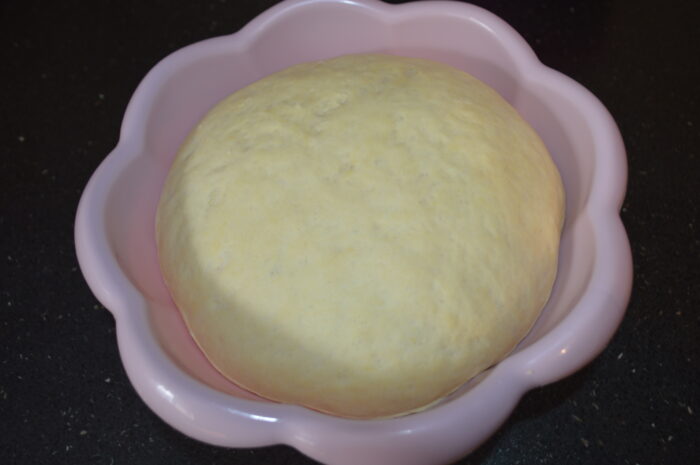
The foundation of great poale-n brâu lies entirely in the dough, which should be soft, slightly elastic, and rich from the combination of milk, butter, and eggs. Warming the milk and melting the butter separately before combining ensures they blend smoothly into the flour without shocking the yeast with excess heat. Activating the yeast properly — with a touch of sugar and lukewarm water — is a crucial step that guarantees a good rise; if the mixture doesn’t foam within five minutes, your yeast may be inactive and should be replaced. Kneading is equally important: the dough needs enough working to develop gluten structure, which gives the pastries their soft, pillowy texture rather than a dense, bread-like crumb. Allow a full hour for the first rise in a warm, draft-free spot, and don’t rush this stage, as a properly risen dough is what separates good poale-n brâu from truly great ones.
The Sweet Cheese and Raisin Filling
The filling is where this pastry gets its signature flavor, and it starts with fresh farmer’s cheese — a soft, mild curd cheese similar to a firm ricotta or well-drained cottage cheese. If you can’t find farmer’s cheese locally, ricotta strained through a cheesecloth for an hour works as a reliable substitute, giving you the same creamy, slightly tangy base. Mixing in a whole egg helps bind the filling so it holds its shape during baking instead of turning watery, while the sugar should be added gradually to taste, since cheese brands vary in tanginess. Soaking the raisins in boiling water for 15 minutes plumps them up and prevents them from drying out or burning in the oven, and draining them well afterward keeps the filling from becoming too wet. This simple combination of cheese, egg, sugar, and raisins delivers a filling that’s creamy, subtly sweet, and satisfying without overwhelming the delicate dough around it.
Shaping the Envelope Fold Correctly
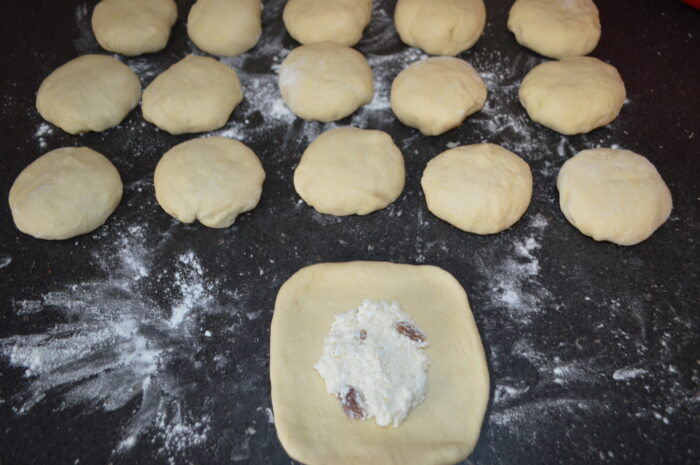
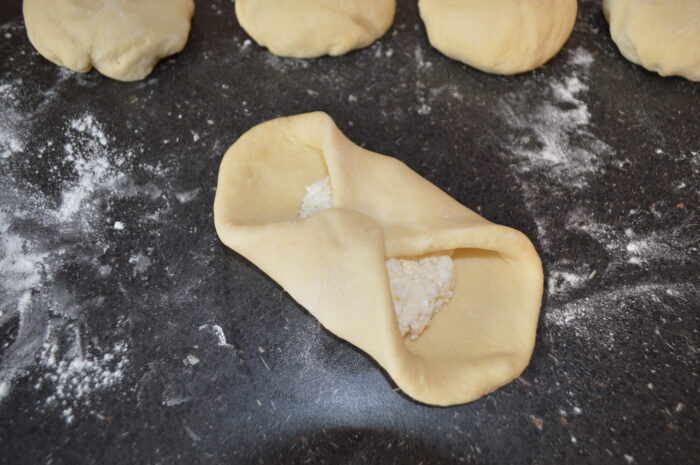
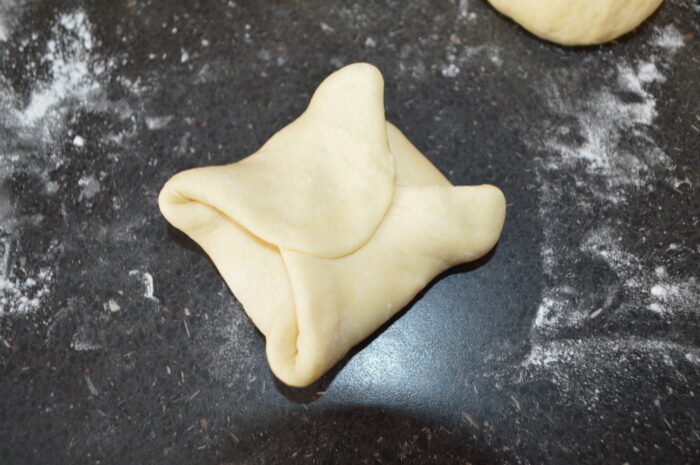
The distinctive envelope shape of poale-n brâu is simpler than it looks, but a few details make the difference between a pastry that holds together and one that leaks filling in the oven. After dividing the risen dough into 17 equal pieces, flatten each piece slightly before adding a generous spoonful of filling directly in the center. Fold the four corners of the dough up and over the filling so they meet in the middle, then press the seams firmly together — this pinching step is essential, since any gaps will allow the cheese mixture to bubble out during baking. Take care not to overfill each piece, as too much filling makes sealing difficult and increases the risk of leaks. A well-sealed pastry not only bakes more evenly but also keeps its filling intact when served, giving you that classic golden envelope shape lined with a creamy surprise inside.
The Second Rise: Why Resting Matters
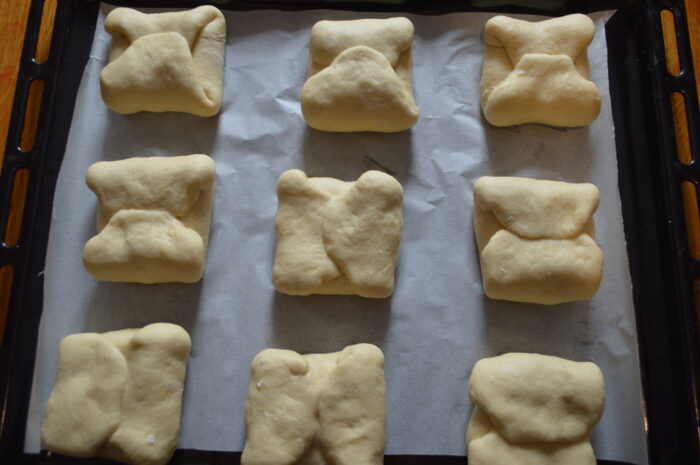
Once shaped, the pastries need a second, shorter rise of 15 to 20 minutes before baking, and skipping this step is one of the most common mistakes home bakers make. This brief rest allows the yeast to reactivate after the stress of shaping, giving the dough one last chance to puff up and become airy rather than dense. Placing the pastries on a parchment-lined tray with a little space between each one lets them expand slightly without sticking together. If your kitchen is cool, you can loosely cover the tray with a towel to maintain warmth and humidity, both of which encourage a better rise. This small window of patience directly affects the final texture, rewarding you with pastries that are noticeably lighter and fluffier than dough that goes straight into the oven.
Getting That Golden, Glossy Finish
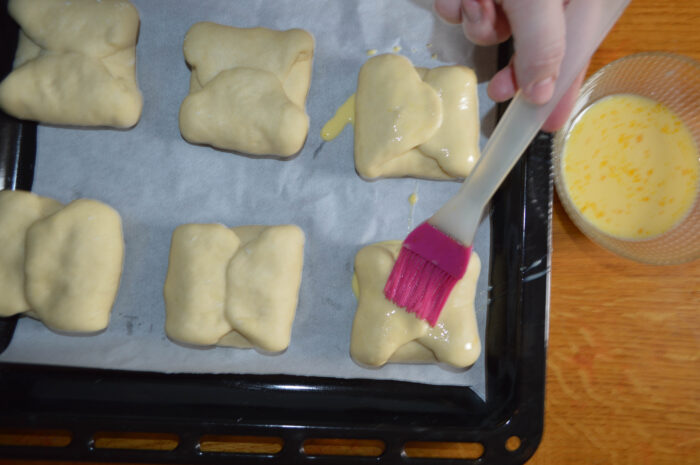
The egg wash is a small step that makes a big visual and textural difference in the finished pastries. Beating one egg with two tablespoons of milk creates a wash that’s rich enough to produce a deep golden color but thin enough to brush on evenly without pooling in the folds. Apply the wash gently with a pastry brush right before baking, making sure to coat the visible dough surface without letting it drip down onto the tray, which can cause sticking or uneven browning. Baking at 356°F (180°C) for 17 to 20 minutes is a good starting range, but every oven behaves differently, so it’s worth checking a few minutes early and watching for that signature golden-brown color on top. This finishing touch gives poale-n brâu its classic bakery-style shine and makes the pastries as appealing to look at as they are to eat.
Serving and Storing Your Pastries
One of the best things about poale-n brâu is its versatility when it comes to serving — these pastries taste wonderful both warm from the oven and completely cooled, making them ideal for planning ahead. Serve them warm alongside a cup of coffee or tea for a comforting breakfast, or pack them cold for a portable snack that travels well. Leftovers keep nicely at room temperature in an airtight container for about two days, though refrigeration extends freshness to four or five days if you prefer a firmer texture. For longer storage, these pastries freeze well for up to two months; simply thaw at room temperature and warm briefly in the oven to restore some of that fresh-baked softness. This make-ahead friendliness makes poale-n brâu a practical choice for holidays, gatherings, or simply stocking your freezer with a homemade treat.
Ingredients
For the dough:
- 7¾ cups all-purpose flour
- 2 large eggs
- 1 tablespoon granulated sugar
- 1⅔ cups whole milk lukewarm
- 7 tablespoons unsalted butter melted
- 2¼ teaspoons instant dry yeast
- pinch of salt
For the sweet cheese filling:
- 3 cups farmer’s cheese or well-drained cottage cheese
- 1 large egg
- ¾ cup granulated sugar
- ⅔ cup raisins soaked and drained
For brushing:
- 1 large egg
- 2 tablespoons milk
Instructions
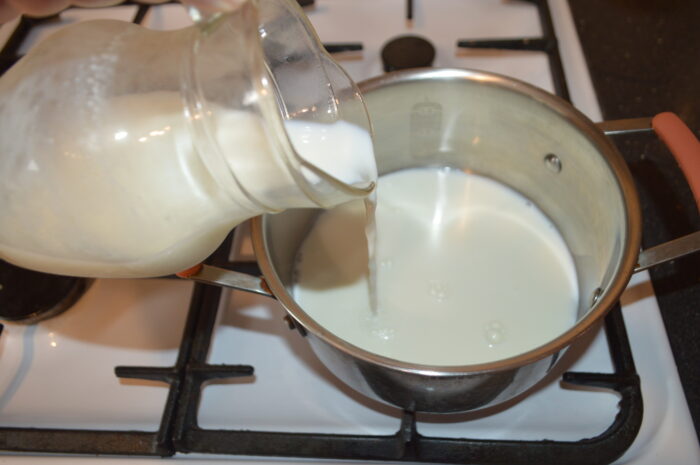
- Warm the milk in a small saucepan over low heat until it is just lukewarm, not boiling.

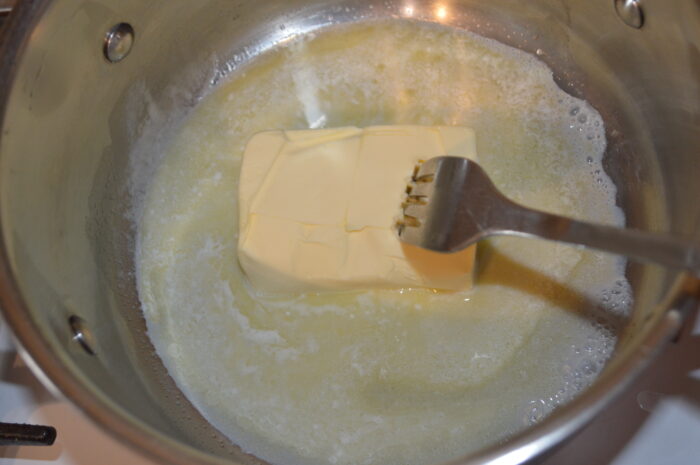
- In a separate pan, melt the butter over low heat, then set it aside to cool slightly.
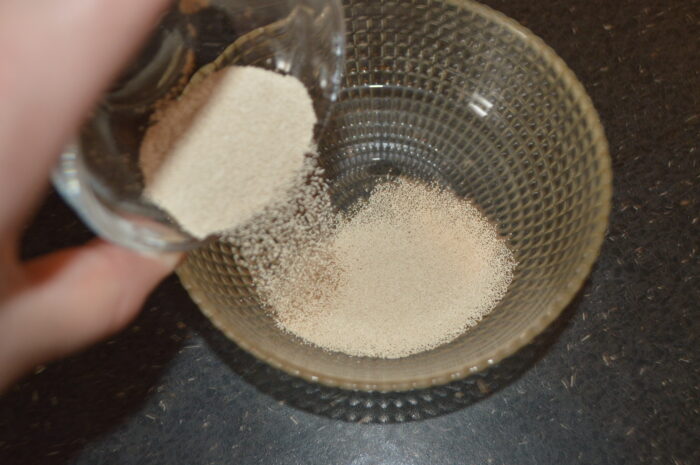
- Place the dry yeast in a small bowl and add a little lukewarm water at room temperature.
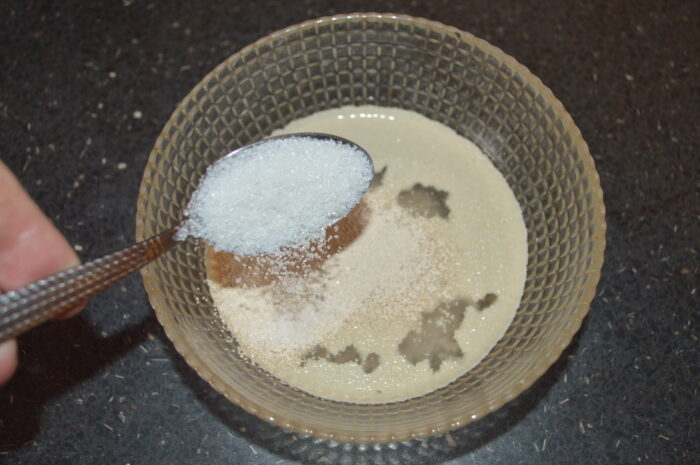
- Add 1 teaspoon of sugar to the yeast, stir, then cover the bowl with a small plate and leave it for about 5 minutes, until a light foam forms on top.
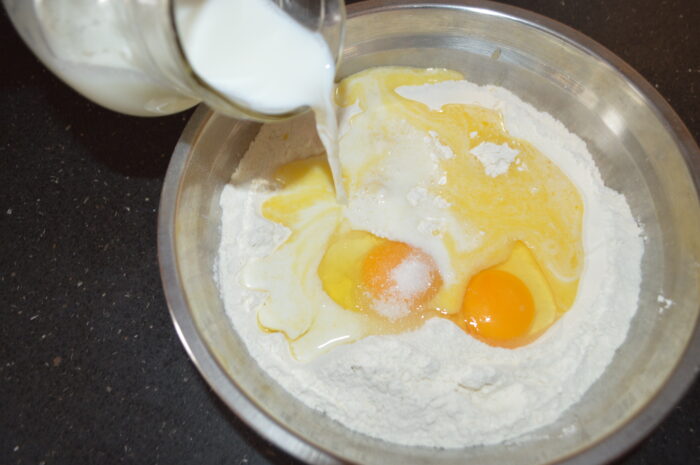
- In a large mixing bowl add the flour, eggs, sugar, salt, melted butter, warm milk and the foamy yeast mixture.
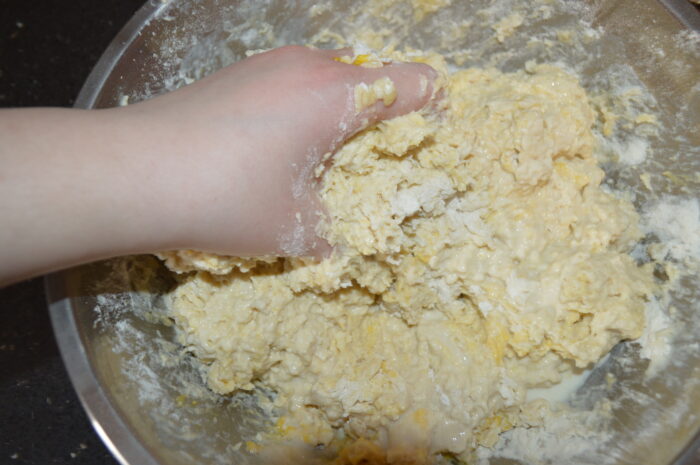
- Knead until you get a smooth, elastic dough that no longer sticks to your hands or the bowl.
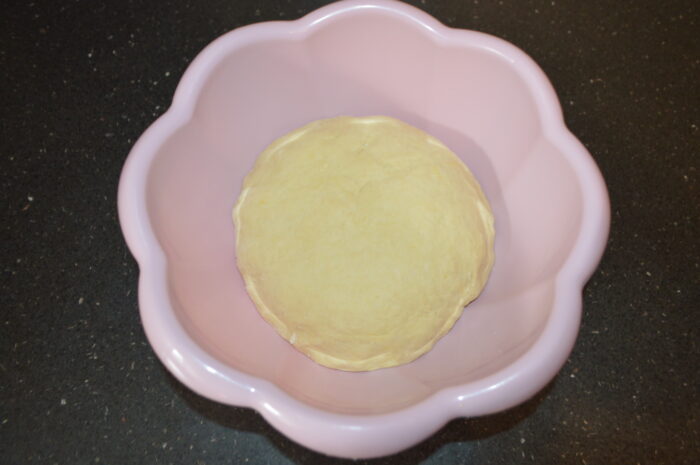
- Shape the dough into a ball, cover the bowl with a clean kitchen towel and let it rise for about 1 hour, until doubled in size.
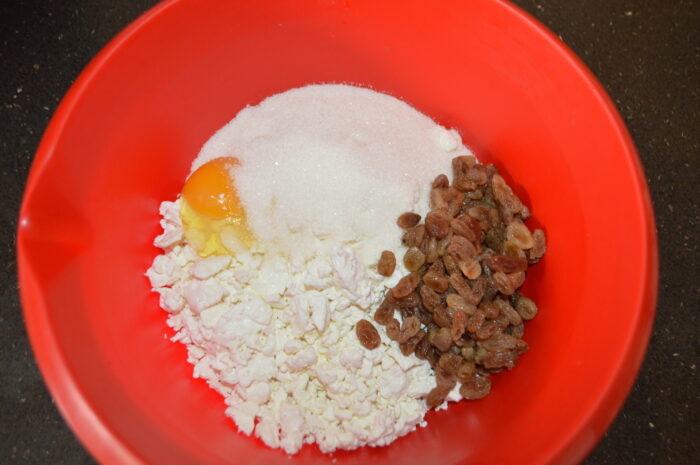
- For the filling, mix the farmer’s cheese with the egg, sugar and raisins until well combined. Soak the raisins in boiling water for 15 minutes, then drain them before adding.
- Once risen, turn the dough onto a lightly floured surface and divide it into small pieces; with this quantity you will get around 17 pies.
- Flatten each piece of dough, place a spoonful of filling in the center, then bring the sides over the filling and fold into an envelope shape.
- Bring the opposite corners together over the filling so they meet in the center.
- Pinch all seams firmly to seal so the filling does not leak during baking.
- Arrange the pies on a baking sheet lined with parchment paper and let them rise for another 15–20 minutes.
- Preheat the oven to 350°F (180°C). Beat the egg with the milk and brush the pies on top. Bake for 17–20 minutes, or until golden, adjusting the time to your oven.
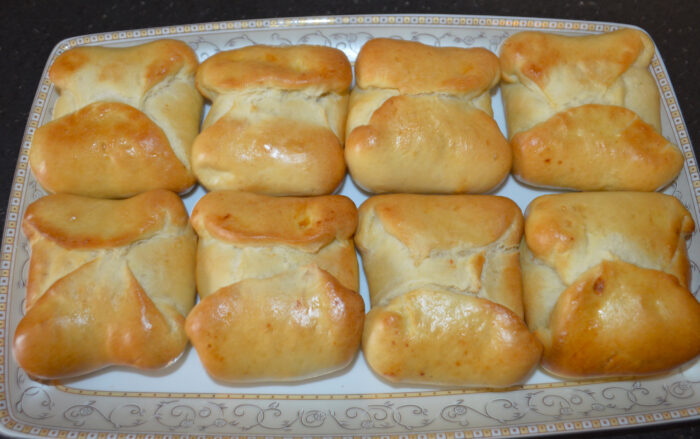
- The poale-n brau pies are nicely golden and puffed. Serve them warm or at room temperature.

Notes
- If using cottage cheese, drain it well in a sieve or cheesecloth to avoid a runny filling.
- For extra flavor, add vanilla extract or citrus zest to the cheese mixture.
- Always use lukewarm liquid for the yeast, never hot, so it activates properly.
- The second rise on the tray is important for a fluffy, light texture after baking.
- Brush the pies gently with egg wash to avoid deflating the dough.
- These pies freeze well; cool completely, wrap tightly and reheat before serving.
Nutrition
Nutrition information is automatically calculated, so should only be used as an approximation.