 Carmen
Few desserts feel as cozy and nostalgic as a warm cinnamon roll fresh from the oven. This homemade version combines a soft, enriched dough with a generous layer of cinnamon and brown sugar, rolled up tight and baked until golden. Once out of the oven, each roll gets smothered in a creamy, slightly tangy cream cheese frosting that takes them over the top. This recipe walks you through every stage, from activating the yeast to rolling and slicing, so you end up with rolls that are soft in the center and perfectly caramelized on the edges every single time.
How to Activate the Yeast Properly
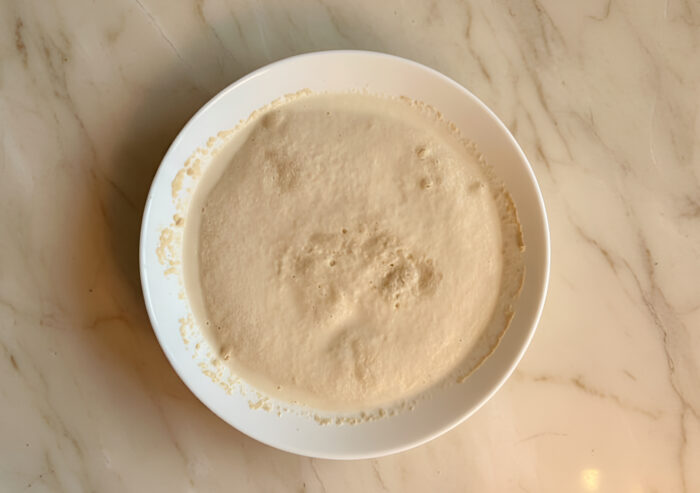
Activating yeast correctly is the foundation of a good cinnamon roll dough. Warm milk (not hot, ideally around 100-110°F) combined with a small amount of sugar and yeast creates the perfect environment for the yeast to wake up and start feeding. After about 15 minutes, the mixture should look foamy and slightly bubbly on top, which confirms the yeast is alive and active. If nothing happens after 15 minutes, the yeast may be expired or the milk was too hot and killed it, so it’s worth starting over with fresh yeast. This step is quick, but skipping it or rushing it is one of the most common reasons homemade rolls fail to rise properly.
Getting the Dough Soft and Elastic
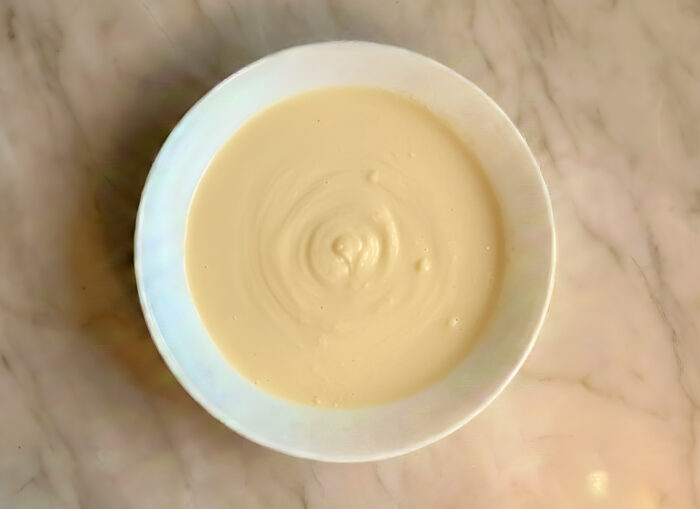
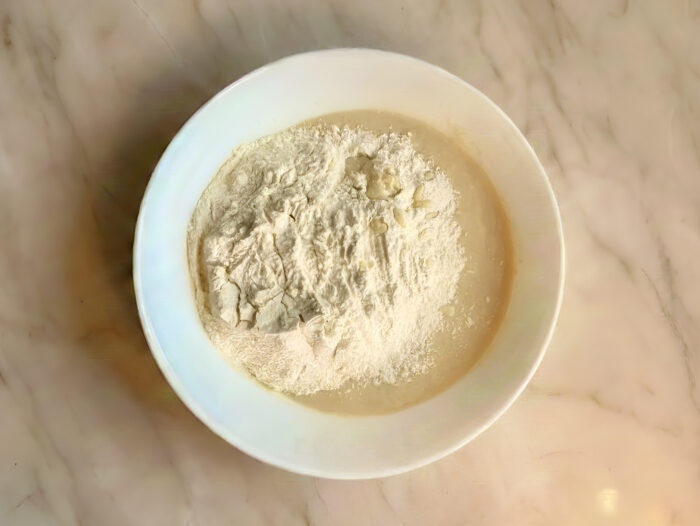
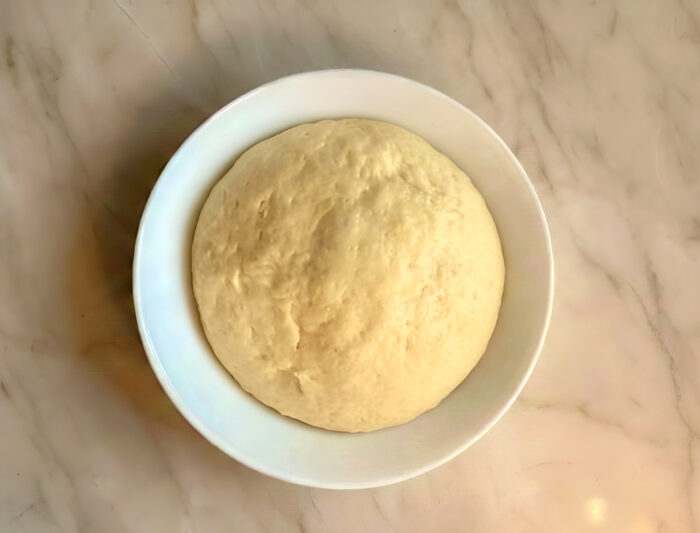
The dough for these cinnamon rolls should feel soft, slightly tacky, but not sticky enough to cling heavily to your hands. Mixing the flour in two additions, as this recipe does, helps you control the texture and avoid adding too much flour, which is the main cause of dense, tough rolls. Kneading develops the gluten structure needed to trap air bubbles from the yeast, giving the rolls their light, pillowy texture. Letting the dough rise for a full hour in a warm spot allows it to double in size, which is essential before rolling and filling. Patience here really does pay off in the final texture of the baked rolls.
Rolling and Filling the Dough Correctly
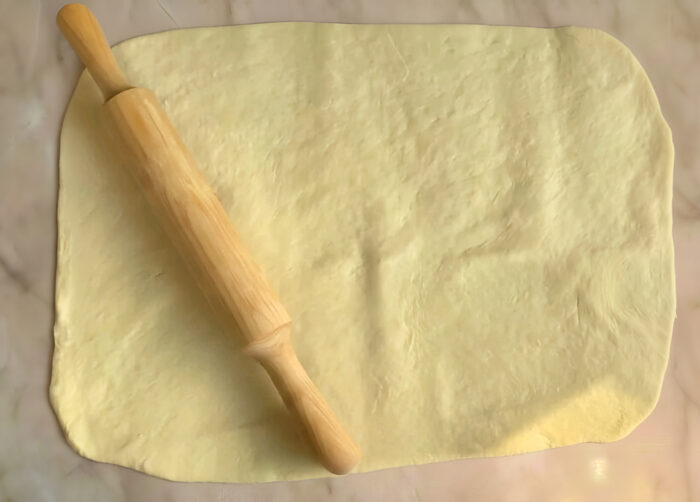
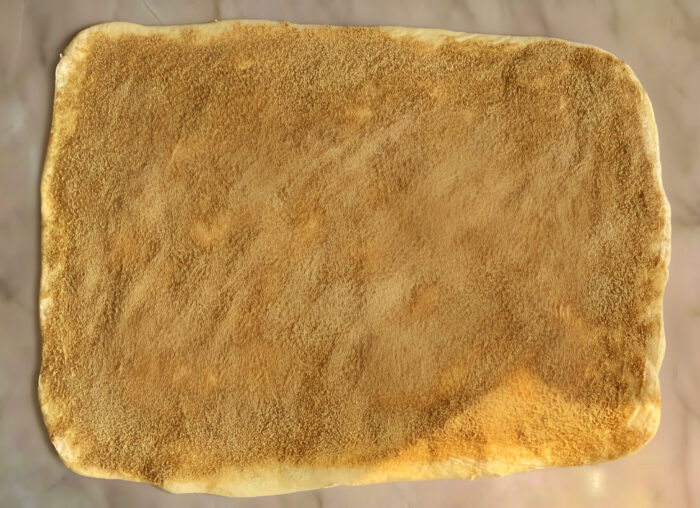
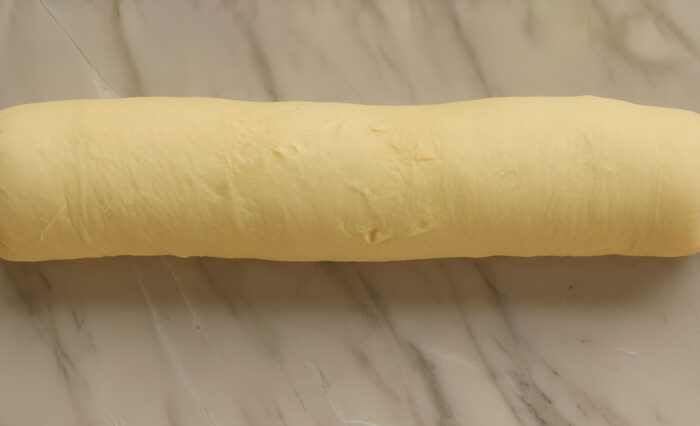
Once the dough has risen, rolling it into an even rectangle is key to getting uniform, evenly filled rolls. Aim for a thickness of about ¼ to ½ inch so the dough is thin enough to roll tightly but sturdy enough to hold the filling without tearing. Spreading softened butter all the way to the edges before adding the cinnamon-sugar mixture ensures the filling sticks to the dough as you roll, rather than spilling out. Press the cinnamon sugar gently into the butter so it doesn’t fall out during slicing. Rolling tightly from the long edge creates those signature spiral layers everyone loves in a good cinnamon roll.
Slicing Even Rolls Without Squishing Them
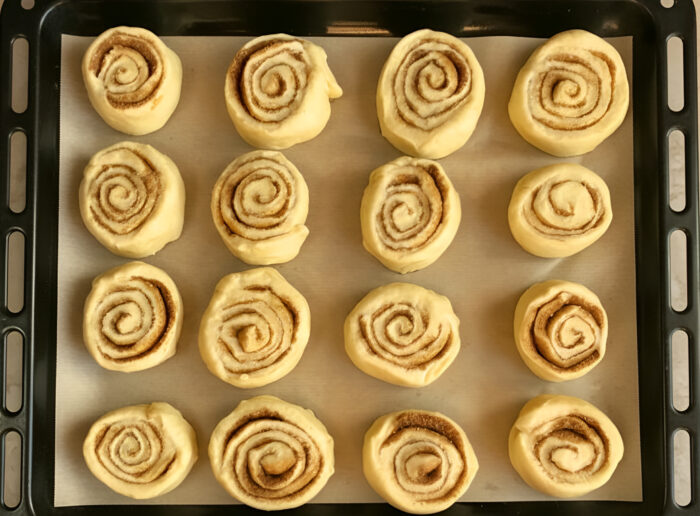
A common frustration when making cinnamon rolls is ending up with flattened or unevenly shaped pieces after slicing. Using a sharp serrated knife or unflavored dental floss slid underneath the log and pulled up around each section helps slice cleanly without compressing the delicate dough. Marking the log lightly before cutting ensures all the rolls come out roughly the same size, which helps them bake evenly. Spacing the rolls with a little room between them in the pan also matters, since they’ll continue to expand both during the rest period and while baking. Taking a little extra care at this stage makes a noticeable difference in the final presentation.
Baking Cinnamon Rolls to Golden Perfection
Letting the sliced rolls rest for 20 minutes before baking gives them a final rise, which contributes to that soft, airy texture once baked. Baking at 350°F (180°C) for 20-25 minutes is enough to cook the rolls through and develop a light golden color on top without drying them out. Every oven runs slightly differently, so it’s worth checking a few minutes early and looking for rolls that are golden on top and spring back lightly when touched. Overbaking is the most common mistake here, since cinnamon rolls can go from soft to dry quickly once the sugar starts to caramelize too much. Pulling them out right on time keeps the centers soft and gooey.
Making the Perfect Cream Cheese Glaze
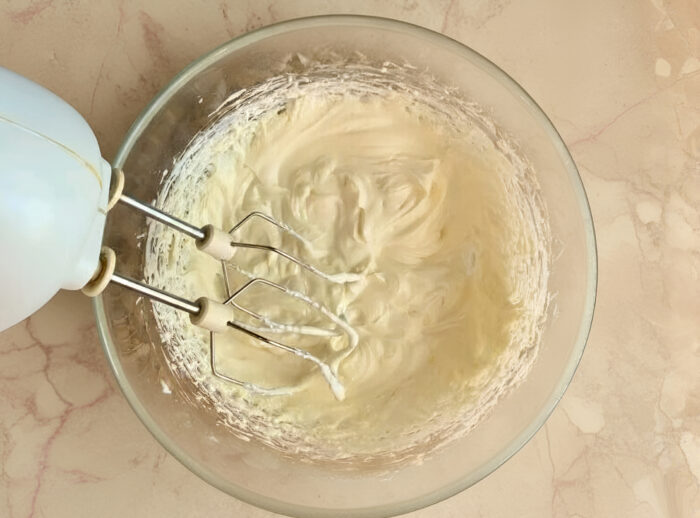
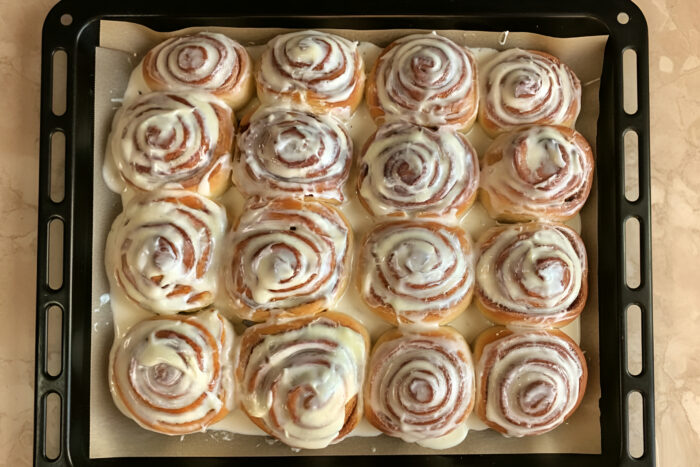
A good cream cheese glaze should be smooth, slightly tangy, and thick enough to hold its shape without running completely off the rolls. Beating softened butter and cream cheese together first, before adding the powdered sugar, prevents lumps and creates a silkier texture. It’s best to spread the glaze over the rolls while they’re still warm, since the heat helps it melt slightly into the swirls without becoming a puddle at the bottom of the pan. If you prefer a thinner, more pourable glaze, a splash of milk can loosen the consistency, though this version is intentionally rich and thick to complement the soft dough underneath.
Storing and Reheating Cinnamon Rolls
Leftover cinnamon rolls stay soft for up to 2 days at room temperature if kept in an airtight container, or up to a week when refrigerated. For longer storage, unfrosted rolls freeze well for up to 2 months and can be thawed and frosted fresh before serving. To reheat, a few seconds in the microwave brings back that just-baked softness, while a short stint in a low oven works well for warming several rolls at once. It’s best to store the frosting separately if you’re planning to freeze the rolls, since cream cheese glaze doesn’t freeze and thaw as cleanly as the baked dough itself.
Ingredients
For the dough:
- 2¼ teaspoons instant dry yeast
- ½ cup plus 2 tablespoons granulated sugar
- 1 large egg
- 1 cup whole milk lukewarm
- 4¾ cups all-purpose flour divided
- 6 tablespoons unsalted butter very soft
- ½ teaspoon fine salt
For the cinnamon filling:
- 4 tablespoons unsalted butter very soft
- 3 tablespoons ground cinnamon
- ½ cup granulated sugar
For the cream cheese glaze:
- 7 tablespoons unsalted butter very soft
- 5 ounces cream cheese softened
- ½ cup powdered sugar sifted
Instructions
- Mix the lukewarm milk with one tablespoon of the sugar taken from the total amount and the dry yeast, cover, and let it sit for 15 minutes until foamy.

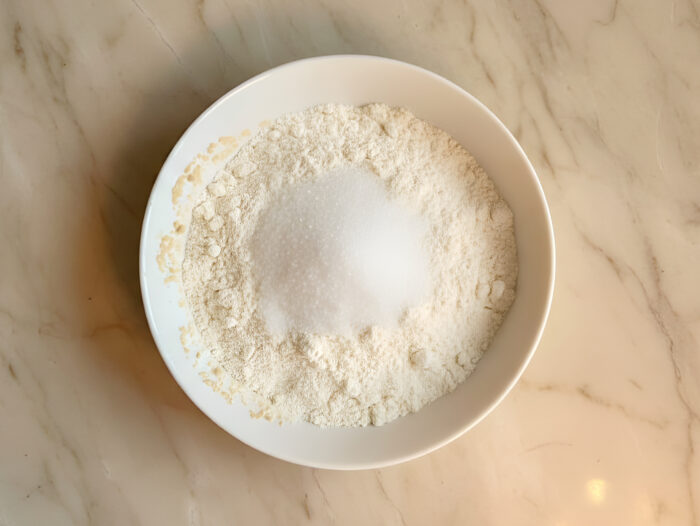
- In a large mixing bowl, combine half of the flour, the remaining sugar, and a pinch of salt.

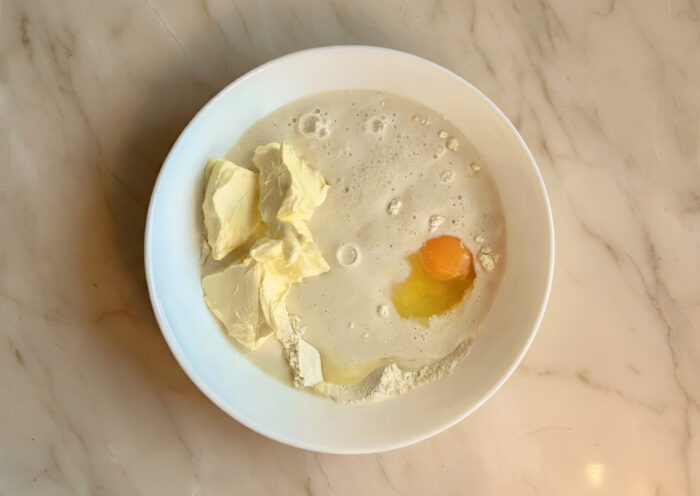
- Add the yeast and milk mixture to the flour bowl, then add the egg and the softened butter.

- Whisk everything together until you get a smooth, thick batter.

- Add the remaining half of the flour.
- Knead the dough, then cover the bowl with plastic wrap or a clean kitchen towel and let it rise for 1 hour in a warm spot.

- For the filling, prepare the softened butter and mix the cinnamon with the sugar. Once the dough has doubled in size, roll it out with a rolling pin into a large rectangle.

- Spread the softened butter evenly over the dough, then sprinkle the cinnamon sugar mixture all over the surface.

- Roll the dough up tightly into a log and slice it into equal pieces.

- Line a baking pan with parchment paper, arrange the rolls in the pan leaving some space between them to rise, let them rest on the counter for 20 minutes, then bake at 350°F (180°C) for 20–25 minutes until golden.

- For the glaze, beat the softened butter, cream cheese, and powdered sugar with a mixer until completely smooth and creamy.

- Remove the cinnamon rolls from the oven and generously spread them with the cream cheese glaze while they are still warm.

Notes
- Use lukewarm milk to activate the yeast; hot milk can kill it and stop the dough from rising.
- The dough should be soft and slightly tacky; adding too much flour will make the rolls dense.
- Rolling from the long side of the rectangle gives more spirals and a nicer swirl in each roll.
- Leaving space between rolls in the pan helps them expand and bake evenly without becoming heavy.
- Spread the glaze on warm, not hot, rolls so it melts slightly while still staying creamy.
- You can add a pinch of vanilla or orange zest to the glaze for extra flavor without changing the base recipe.
Nutrition
Nutrition information is automatically calculated, so should only be used as an approximation.